195 San Marco Ave
St. Augustine, FL 32084
Signs Your Pet May Have a Dental Infection And What to Do Next

Most pet owners never think twice about their dog’s breath or the way their cat chews dinner until something seems off. A dental infection is one of the most common health problems in both dogs and cats, yet it is also one of the most overlooked. By the time visible signs appear, the infection has often been quietly causing pain for weeks. At Antigua Veterinary Practice in St. Augustine, FL, we see this more often than you might expect, and the good news is that early recognition makes a real difference. This article walks you through exactly what to watch for, why dental infections happen, and what you and your veterinarian can do to help your pet feel better.
What Is a Dental Infection and Why Does It Matter?
A dental infection occurs when bacteria invade the tissues around a tooth, usually starting at or below the gum line. In pets, this often develops from periodontal disease, a condition where plaque and tartar build up over time, leading to inflammation, gum recession, and eventually infection of the tooth root or surrounding bone.
Left untreated, pet oral health problems go well beyond a bad smell. Bacteria from an oral infection can enter the bloodstream and affect the kidneys, liver, and heart. A tooth root abscess, in particular, creates a pocket of infection that puts constant pressure on surrounding tissue, causing significant pain that your pet may hide instinctively.
Dogs and cats are wired to mask discomfort. In the wild, showing weakness can be dangerous, so even a pet in serious pain may continue eating, playing, and acting relatively normal. That is why understanding the warning signs matters so much.
Common Signs of a Dental Infection in Dogs and Cats
Catching a pet tooth infection early starts with knowing what to look for. Some signs are obvious; others are subtle enough to be written off as normal aging or a quirky habit.
Watch for these warning signs:
- Bad breath that goes beyond typical “dog breath” and smells rotten, sour, or distinctly foul
- Drooling more than usual, especially if your pet does not normally drool
- Pawing at the mouth or face, rubbing the muzzle along furniture, or head shaking
- Dropping food while eating or suddenly preferring to chew on one side
- Reluctance to eat hard food or treats they previously enjoyed
- Visible swelling along the jaw, below the eye (common with upper molar abscesses in dogs), or around the lips
- Yellow, brown, or gray discoloration on the teeth near the gumline
- Red, swollen, or bleeding gums when you gently lift the lip
- Mood changes such as irritability, withdrawal, or being unusually sensitive when touched near the face
In cats, signs of dental pain in pets can be even harder to spot. A cat with a painful mouth may groom less, lose weight gradually, or simply stop coming to the food bowl with the same enthusiasm. Any shift in behavior around mealtime is worth a closer look.
What Causes Dental Infections in Pets?
Understanding the root cause helps you take better preventive steps. Most dental infections in pets trace back to one of these common issues:
Periodontal disease is by far the leading cause. It begins with plaque, a sticky film of bacteria that forms on the tooth surface after eating. If not removed, plaque hardens into tartar within days. Tartar irritates the gums, causing them to pull away from the tooth and create pockets where bacteria thrive. Studies suggest that by age three, most dogs and cats show some degree of periodontal disease.
Broken or fractured teeth are another common culprit. Dogs that chew on hard objects like antlers, bones, or hard nylon toys can crack a tooth, exposing the inner pulp to bacteria. This can quickly lead to a dog dental abscess, a painful, pus-filled infection at the root.
Retained baby teeth in younger pets, especially small-breed dogs, can cause crowding that traps food and accelerates bacterial growth. Trauma to the mouth and certain immune conditions can also increase risk.
How Veterinarians Diagnose and Treat Dental Infections?
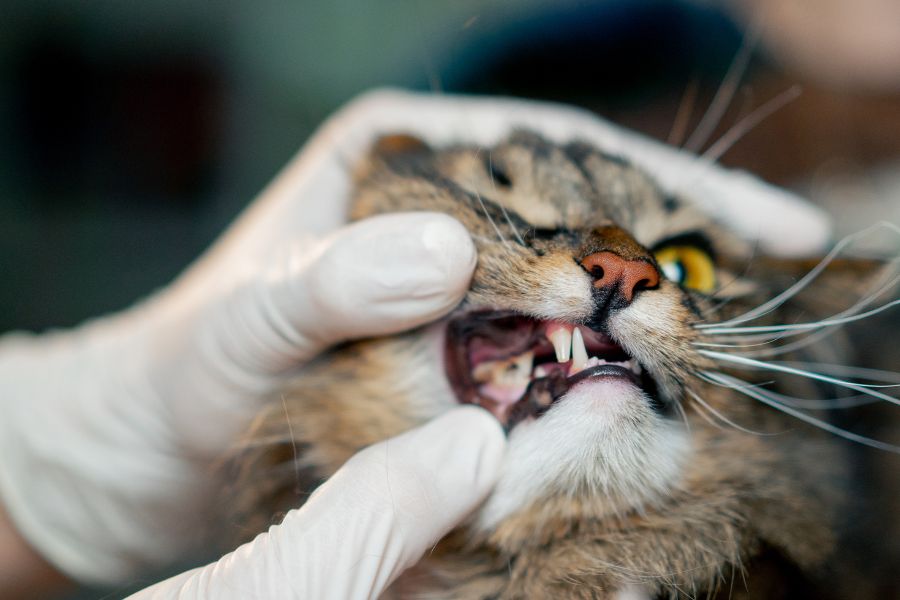
If you notice any of the signs above, the first step is a thorough oral exam at your veterinary clinic. During a routine exam, your vet will visually assess the teeth and gums, check for swelling or pain responses, and note any visible damage or discoloration.
Because so much of the tooth structure sits below the gum line, dental X-rays are essential for a complete picture. Full-mouth radiographs allow a veterinarian to see bone loss, root damage, and the extent of any abscess that would be completely invisible to the naked eye. This is why a proper dental evaluation is always done under anesthesia, so your pet is safe, still, and pain-free during the process.
Treatment depends on the severity of the infection:
- Professional dental cleaning (dental prophylaxis): For early-stage disease, scaling and polishing above and below the gum line removes the bacterial buildup driving the infection.
- Antibiotics: Often prescribed before or after a dental procedure to address active bacterial infection.
- Tooth extraction in pets: When a tooth is too damaged, abscessed, or mobile to save, removal is often the most humane and effective option. Most pets recover quickly and eat normally within days of an extraction.
- Root canal therapy: In some cases, a damaged tooth in a dog or cat can be saved through veterinary endodontic treatment, though extraction remains the more common choice in general practice.
Pain management is a standard part of any dental procedure. Your pet should go home comfortable and on a recovery plan tailored to their specific needs.
What Pet Owners Can Do at Home?
Veterinary dental care addresses existing disease, but daily habits at home are what slow it from coming back. Here is where you can make a genuine impact between appointments.
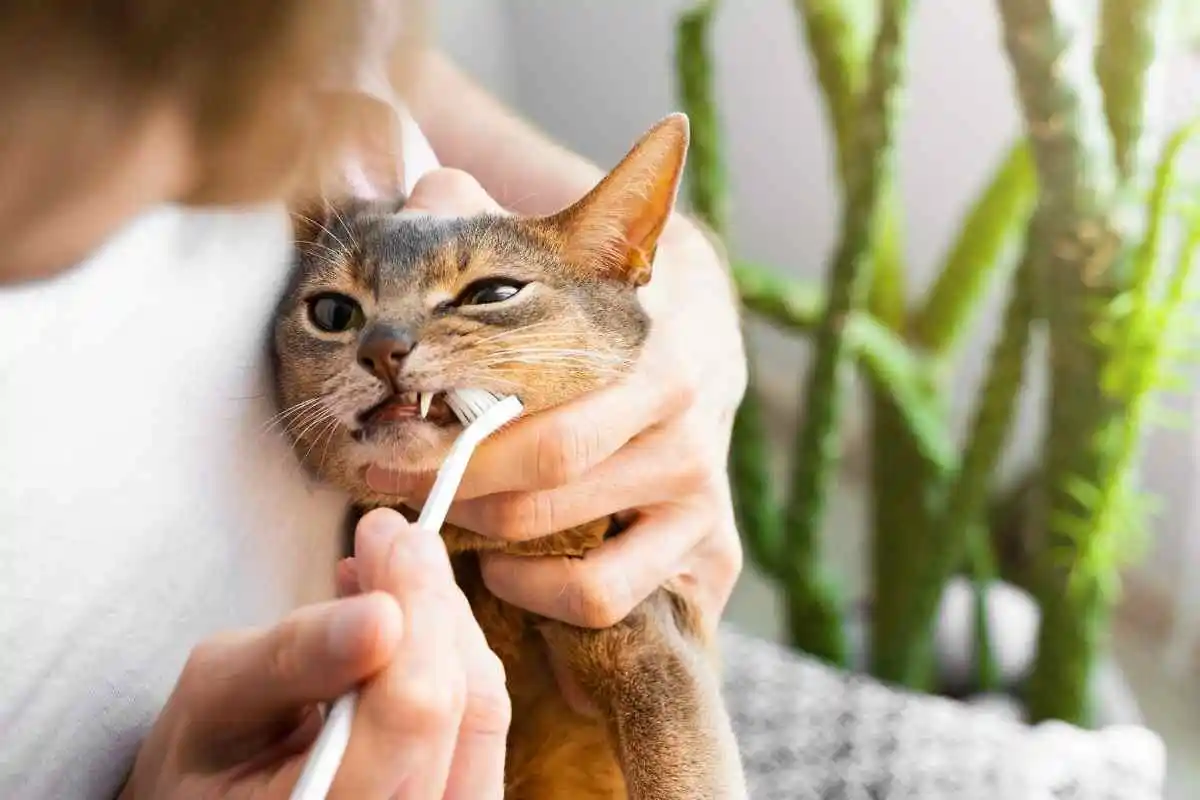
Tooth brushing is the gold standard. Use a soft-bristled toothbrush and veterinary-formulated toothpaste (never human toothpaste, which contains ingredients that are toxic to pets). Even brushing two to three times a week provides meaningful protection against plaque buildup.
If brushing is a challenge, there are alternatives. Dental chews and treats approved by the Veterinary Oral Health Council (VOHC) have been tested to reduce plaque and tartar. Water additives, dental wipes, and certain prescription dental diets can also support pet oral health.
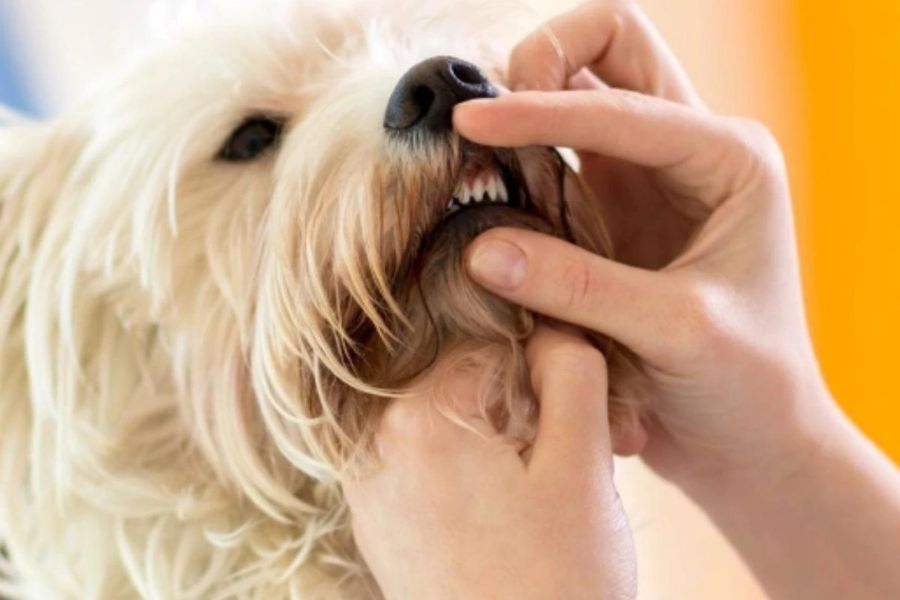
Get into the habit of doing a quick visual check of your pet’s mouth every week or two. Lift the lips, look at the gum line, and note any changes in color, swelling, or smell. The more familiar you are with what normal looks like for your pet, the faster you will catch something that is not.
Why St. Augustine Pet Owners Trust Our Team for Veterinary Dental Care?
Recognizing the signs is only half the battle. The next step is having a veterinary team that takes dental disease seriously and treats your pet like family.
At Antigua Veterinary Practice, we approach veterinary dental care as a core part of whole-body wellness, not an optional add-on. Our team uses digital dental radiography to see what exams alone cannot catch, and we tailor every treatment plan to the individual patient. Whether your pet needs a routine cleaning, an extraction, or a full dental workup after you notice something worrying, we take the time to explain what we find and walk you through every option.
We understand that dental procedures can feel daunting for pet owners. Questions about anesthesia, cost, and recovery are completely valid, and we welcome all of them. Our goal is to help you feel informed and confident, so your pet gets the care they deserve without unnecessary delay.
When to See a Vet: Do Not Wait on These Signs?
Some signs of a dental infection in pets call for a same-day or next-day appointment rather than a wait-and-see approach. Contact your veterinarian promptly if you notice:
- Visible swelling on the face or jaw, particularly below the eye
- A pet that suddenly stops eating or can only manage soft food
- An open sore or draining wound near the mouth
- A tooth that appears loose, discolored, dark, or broken
- Signs of significant pain, such as crying when touched near the face or refusing to open the mouth
These can indicate an abscess or advanced infection that needs treatment quickly. Delaying care in these situations allows the infection to deepen and the pain to escalate.
Conclusion
Dental infections are painful, progressive, and far more common in pets than most people realize. The earlier the signs are caught, the simpler and more effective the treatment tends to be. From subtle changes in eating habits to visible swelling along the jaw, paying attention to your pet’s mouth can protect their comfort and their long-term health.
If something looks or smells off, trust your instincts. The team at Antigua Veterinary Practice in St. Augustine, FL, is here to help you figure out what is going on and create a clear plan to address it. Give us a call, book an appointment online, or simply stop by. Your pet’s smile is worth it.
Frequently Asked Questions
Q1: What are the most common signs of a dental infection in dogs?
Ans: The most noticeable signs include persistent bad breath with a rotten or sour odor, visible swelling around the jaw or below the eye, dropping food while eating, and pawing at the mouth. Some dogs become irritable or avoid having their face touched. Because dogs often mask pain, even subtle changes in eating habits can be an early signal worth investigating.
Q2: Can a dental infection in a cat go unnoticed?
Ans: Yes, and it often does. Cats are especially good at hiding discomfort, so signs of dental pain in pets can be easy to miss. A cat with a tooth infection may eat more slowly, lose a small amount of weight over time, groom less around the face, or show reduced interest in hard food. Regular visual checks at home and annual veterinary dental exams are the best way to catch problems early.
Q3: How is a pet tooth infection treated at the vet?
Ans: Treatment depends on the severity of the infection. Mild to moderate cases may be addressed with a professional dental cleaning under anesthesia, followed by antibiotics. More advanced cases, such as a dog dental abscess or a fractured tooth with root involvement, typically require tooth extraction in pets. Your vet will use dental X-rays to assess the full picture before recommending a treatment plan.
Q4: How much does veterinary dental care cost for pets?
Ans: Costs vary based on the extent of disease, the number of teeth affected, and whether extractions are needed. A routine professional dental cleaning generally costs less than a procedure involving multiple extractions. Many clinics offer payment plan options. The more important consideration is that untreated dental infections tend to worsen over time, and advanced cases cost more to manage than those caught early.
Q5: When should I take my pet to the vet for a dental concern?
Ans: Schedule an appointment as soon as you notice any change in your pet’s mouth, eating habits, or behavior around the face. Do not wait if you see swelling on the jaw or face, a pet that has stopped eating, a draining sore near the mouth, or a visibly broken or discolored tooth. These signs can indicate an active dental infection or abscess that needs prompt attention from a veterinarian.