195 San Marco Ave
St. Augustine, FL 32084
How to Keep Your Cat’s Teeth Clean & Healthy

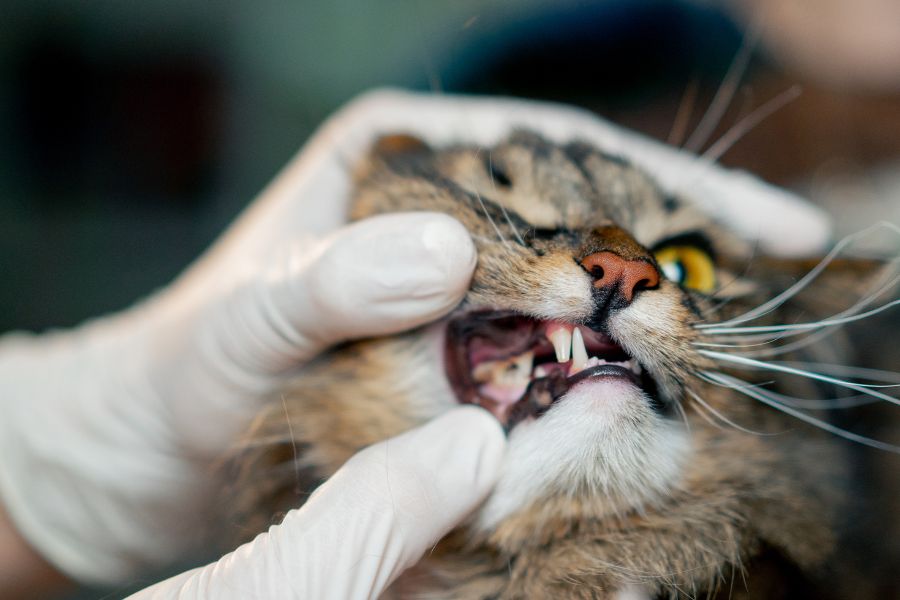
Keeping your cat’s teeth clean and healthy is a vital part of their overall well-being. Like humans, cats are prone to dental issues that, if left untreated, can lead to pain, infections, and even serious systemic health problems. Fortunately, with a few simple steps, you can ensure your feline friend maintains a healthy mouth throughout their life. In this guide, we will cover the best practices for cat dental care, warning signs to watch for, and how professional veterinary support can make a difference. This blog is especially for pet owners in St. Augustine, FL.
Why Cat Dental Care Matters
Dental health in cats is often overlooked, but it plays a major role in their quality of life. Cats naturally accumulate plaque and tartar, which can lead to gum disease, tooth decay, and chronic bad breath. Over time, untreated dental issues may spread bacteria into the bloodstream, potentially affecting the heart, kidneys, and liver.
Regular attention to cat dental care not only helps prevent pain and discomfort but also supports long-term health, reduces costly veterinary treatments, and promotes a happier, more energetic cat.
Step 1: Brush Your Cat’s Teeth Regularly
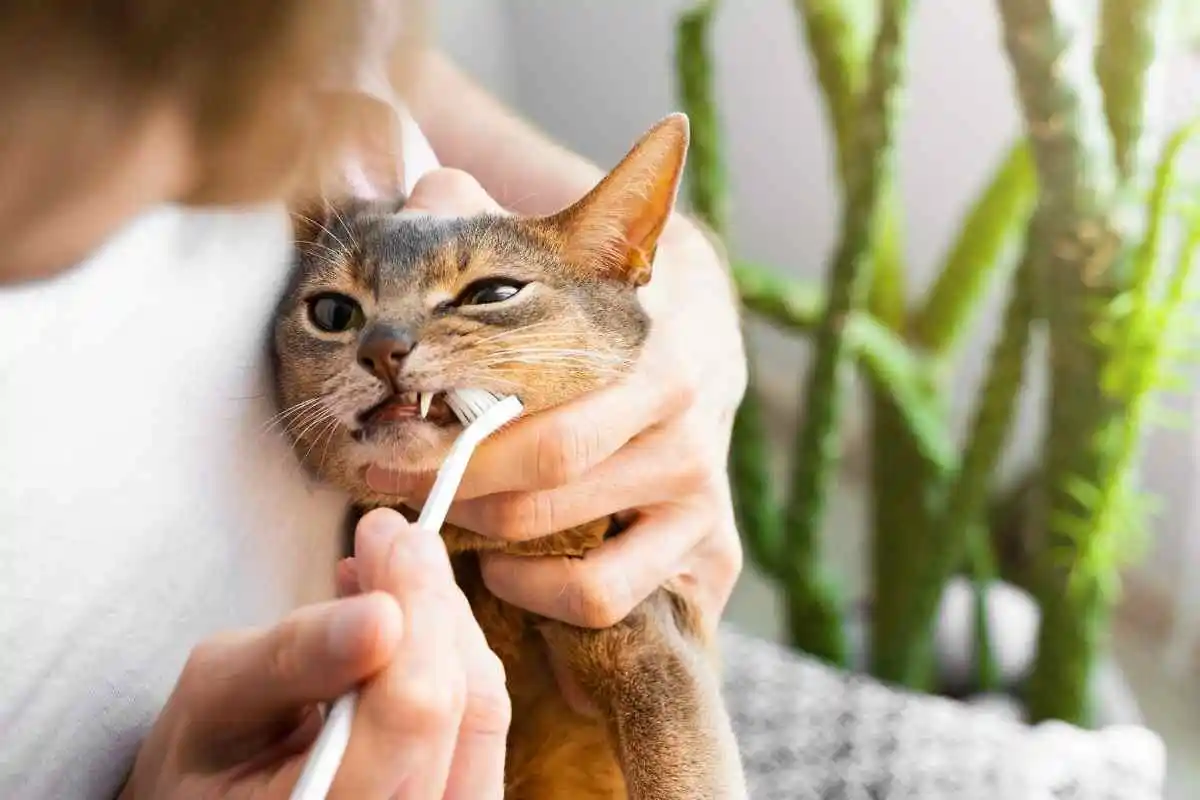
Brushing is the cornerstone of feline oral hygiene. Although it may seem challenging at first, most cats adapt with patience and a gradual introduction. Here’s how to do it effectively:
- Use the right tools: Always choose a soft-bristled toothbrush and toothpaste formulated specifically for cats. Never use human toothpaste, as it contains fluoride, which is toxic to cats.
- Start slowly: Begin by letting your cat sniff and taste the toothpaste. Then gently rub their teeth and gums with your finger or a soft cloth before introducing the toothbrush.
- Short sessions: Keep initial brushing sessions brief—around 30 seconds—and gradually increase the duration as your cat becomes more comfortable.
- Focus on problem areas: Plaque tends to accumulate on the back teeth, so ensure you gently brush all surfaces.
Consistency is key. Aim to brush at least 2–3 times per week, though daily brushing is ideal. Over time, this becomes a positive routine that prevents plaque and tartar buildup.
Step 2: Offer Dental-Friendly Diets and Treats
Your cat’s diet plays a crucial role in oral health. Certain foods and treats are designed to reduce tartar formation while providing nutritional benefits.
- Dental diets: Specially formulated dry or wet cat foods can help mechanically clean teeth while supporting overall health.
- Dental treats: Chewable treats with textures designed to remove plaque are effective for supplemental care.
- Balanced nutrition: Ensure your cat receives a diet rich in high-quality protein, vitamins, and minerals, as these nutrients support gum health and immunity.
Remember, treats should complement a well-rounded diet, not replace it.
Step 3: Schedule Professional Dental Cleanings
Even with excellent at-home care, professional veterinary dental cleanings are essential. Vets can:
- Examine your cat’s teeth thoroughly, including below the gumline.
- Remove plaque and tartar that are difficult to reach at home.
- Identify early-stage dental issues before they become serious.
Professional cleanings usually involve sedation, allowing a complete and safe examination. These visits help prevent periodontal disease and other complications.
Step 4: Watch for Warning Signs
Cats are experts at hiding discomfort, so it’s important to monitor for subtle signs of dental problems:
- Persistent bad breath
- Drooling or pawing at the mouth
- Red, swollen, or bleeding gums
- Difficulty eating or sudden food aversion
- Behavioral changes such as irritability or hiding
If you notice any of these symptoms, schedule a veterinary visit promptly. Early intervention often prevents more serious issues and ensures your cat remains comfortable.
Step 5: Make Dental Care Part of Daily Life
Incorporating dental care into your cat’s routine ensures long-term benefits. Some strategies include:
- Daily brushing: Consistency keeps plaque under control.
- Diet and treats: Include dental-friendly food and chews in regular meals.
- Routine veterinary visits: Regular checkups allow early detection and professional cleanings.
- Positive reinforcement: Use praise or treats to create a positive association with dental care.
By combining these steps, you can protect your cat’s teeth and gums while enhancing their overall quality of life.
Additional Tips for Cat Dental Care
- Use dental rinses or water additives: Certain products help reduce bacterial growth in the mouth.
- Offer safe chew toys: Interactive chew toys can assist in mechanically cleaning teeth.
- Monitor aging cats closely: Senior cats are more prone to dental disease and may need more frequent checkups.
- Avoid human foods: Sugary or starchy foods can contribute to tooth decay and gum problems.
By integrating these practices, cat dental care becomes manageable, effective, and stress-free for both you and your feline companion.
Maintaining your cat’s dental health is not just about preventing bad breath—it’s about supporting their overall well-being. A combination of regular brushing, dental-friendly diet, professional cleanings, and careful monitoring can prevent painful conditions and extend your cat’s happy, healthy life.
If you are in St. Augustine, FL and looking for expert cat dental care, book an appointment with Antigua Veterinary Practice. Our experienced team is ready to guide you in keeping your cat’s teeth clean, healthy, and strong for years to come.
FAQs
Q1. How often should I brush my cat’s teeth?
Ans: Ideally, brush your cat’s teeth daily. At a minimum, aim for 2–3 times per week to prevent plaque buildup.
Q2. Can I use human toothpaste on my cat?
Ans: No. Human toothpaste contains fluoride, which is toxic to cats. Always use a cat-specific toothpaste.
Q3. Are dental treats enough to maintain oral health?
Ans: Dental treats help but should not replace brushing. They complement a proper dental care routine.
Q4. When should I schedule professional dental cleanings?
Ans: Most cats benefit from a veterinary cleaning at least once a year. Senior cats or those with dental issues may need more frequent visits.
Q5. What are signs my cat has dental problems?
Ans: Look for bad breath, drooling, red or swollen gums, difficulty eating, pawing at the mouth, or behavioral changes.
Q6. Can diet alone prevent dental disease in cats?
Ans: Diet helps but is not sufficient on its own. Brushing, professional cleanings, and regular checkups are essential for full oral health.