195 San Marco Ave
St. Augustine, FL 32084
What Is a Professional Pet Dental Cleaning and What Does It Involve?


Many pet owners notice bad breath, yellow teeth, or swollen gums and wonder if brushing alone is enough. Professional pet dental cleaning removes harmful plaque and tartar from places home care cannot reach. Done under careful monitoring, the procedure helps prevent painful dental disease and protects your pet’s overall health. At Antigua Veterinary Practice in St. Augustine, FL, our goal is simple: keep your pet comfortable while protecting long-term health. This guide explains what professional pet dental cleaning involves, why veterinarians recommend it, what happens during the visit, how recovery looks, and when the time comes to schedule care.
What Is Professional Pet Dental Cleaning and Why Does It Matter
Professional pet dental cleaning complete veterinary procedure that removes plaque, tartar, and bacteria from above and below the gumline. Unlike cosmetic cleaning, veterinary dental cleaning includes a full oral examination, careful monitoring, cleaning below the gums where disease starts, polishing teeth, and evaluating the mouth for hidden problems.
Dental disease one of the most common health issues seen in dogs and cats. Many pets show few signs until the condition advances. Bacteria beneath the gums can damage tissue, loosen teeth, create pain, and lead to infection.
Professional cleaning helps:
- Remove hardened tartar brushing cannot remove
- Reduce bacteria causing gum disease
- Detect broken, loose, or infected teeth early
- Improve comfort while eating
- Freshen breath by treating underlying cause
Many owners think bad breath normal part of aging. Truth different. Persistent bad breath often first warning sign of dental disease. Regular dental care also supports better quality of life. A healthy mouth means less pain, better appetite, and more comfortable chewing.
What Causes Dental Disease in Pets
Dental disease begins with sticky film called plaque. After meals, bacteria mix with saliva and food particles. If plaque is not removed, it hardens into tartar within days. Once tartar forms, brushing alone cannot remove it.
Several factors increase risk:
- Age
- Small breed dogs with crowded teeth
- Poor home dental care
- Certain jaw shapes
- Previous dental disease
- Soft food diets in some pets
As bacteria move below the gumline, inflammation develops. Gums become red and swollen. Without treatment, infection spreads deeper into tissues supporting teeth. Early disease often reversible with timely care. Advanced disease may require tooth extraction because infection destroys supporting bone. Routine examinations help catch problems before they become painful and expensive to treat.
Signs and Symptoms to Watch For
Dental disease develops gradually. Many pets continue eating despite significant mouth pain because instinct hides discomfort.
Watch for signs such as:
- Bad breath
- Yellow or brown tartar
- Red or bleeding gums
- Dropping food while eating
- Chewing on one side
- Pawing at mouth
- Loose teeth
- Excessive drooling
- Facial swelling
- Reduced appetite
Cats may show very subtle changes. Instead of refusing food, they may eat more slowly or stop grooming normally. Dogs often continue eating even with painful teeth, making regular veterinary exams especially important. Finding these signs early often means simpler treatment and faster recovery.
How Vets Diagnose and Treat Dental Disease
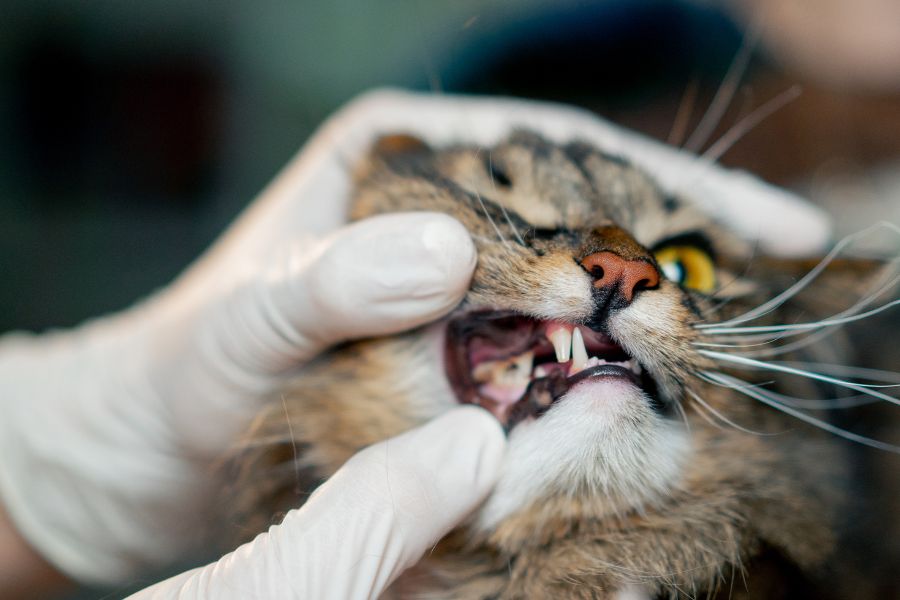
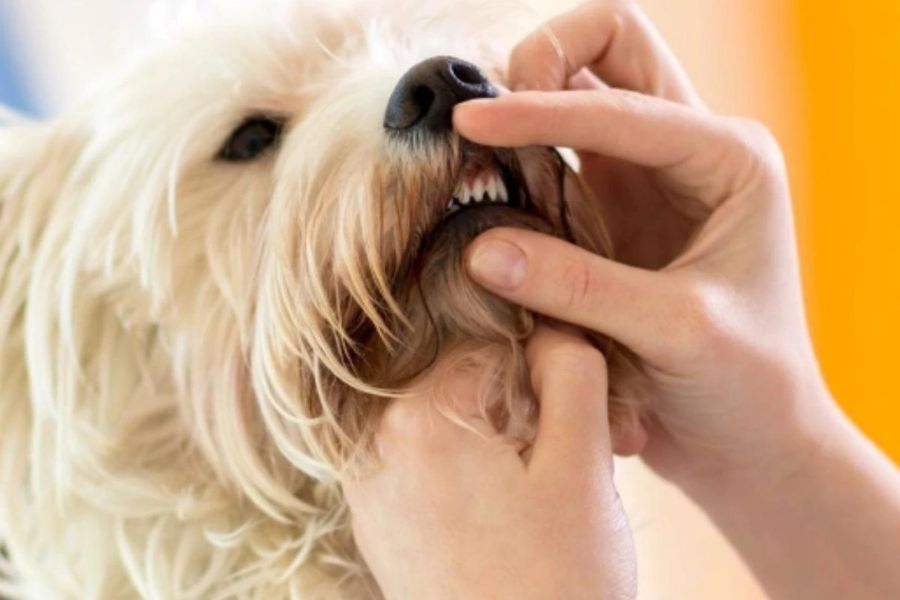
A veterinarian begins with a complete physical examination and oral assessment. Some areas are visible during an awake exam, but many problems hide beneath the gums or inside tooth roots.
Professional pet dental cleaning typically includes:
- Physical examination
- Pre-procedure health evaluation
- Careful monitoring during procedure
- Removal of plaque and tartar above gumline
- Cleaning below gumline
- Polishing teeth
- Full oral examination after cleaning
- Treatment recommendations if damaged teeth found
Hypothetical Case Example
Older mixed breed dog came for routine wellness visit because owner noticed worsening bad breath. Awake exam showed heavy tartar, but full cleaning revealed deeper gum disease affecting several back teeth. After cleaning and removing damaged teeth causing pain, the dog recovered well, and the owner reported better appetite, fresher breath, and much more playful behavior within a few weeks.
Cleaning below the gumline is especially important because most dental disease develops where owners cannot see. Polishing smooths tooth surfaces, helping slow future plaque buildup. Professional cleaning treats current disease while helping prevent future problems through regular follow-up and home care.
What Pet Owners Can Do at Home
Professional cleaning important, but home care keeps results longer. Daily habits slow plaque buildup and reduce the chance of future dental disease.
Helpful steps include:
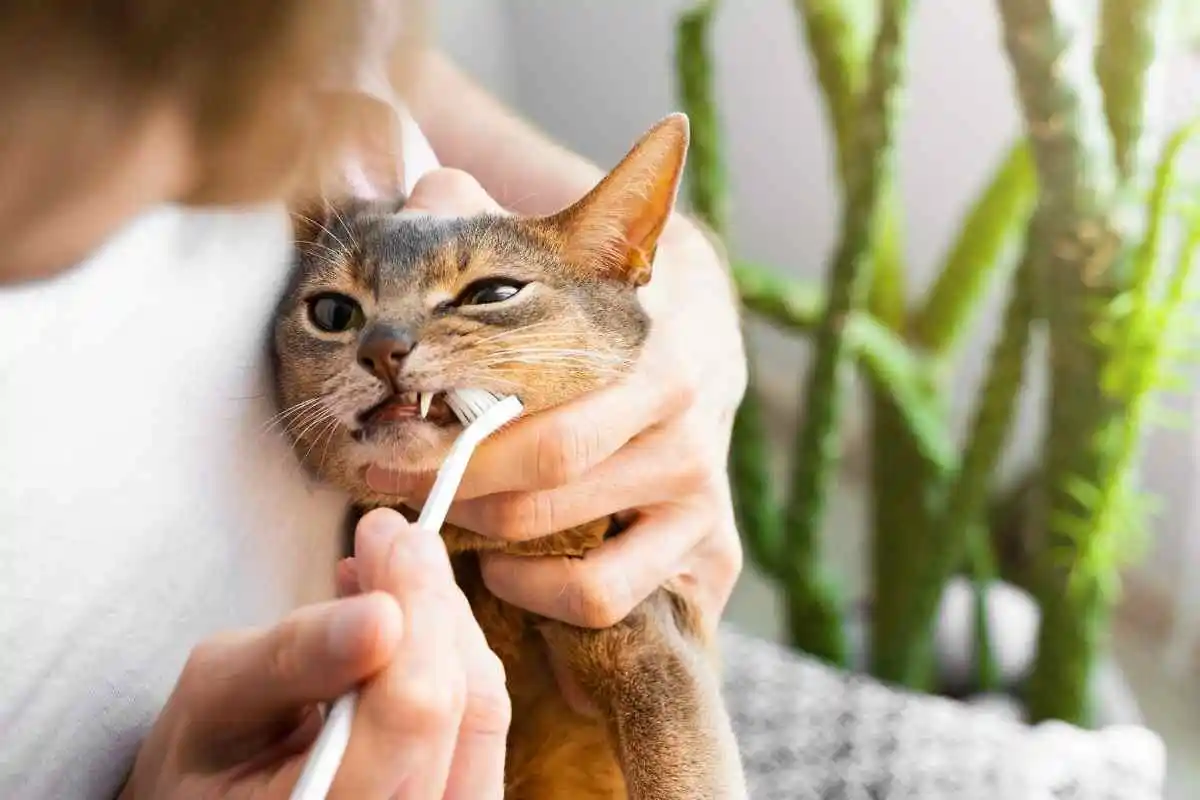
- Brush your pet’s teeth with pet-safe toothpaste
- Use dental chews if your veterinarian recommends them
- Schedule regular oral examinations
- Watch for changes in eating or chewing
- Check mouth for bad breath, bleeding, or broken teeth
Never use human toothpaste because ingredients may upset your pet’s stomach. Even excellent home care cannot remove hardened tartar below the gumline. Home care works best alongside routine professional dental cleanings.
Building brushing into a daily routine early makes the process easier. Even brushing several times each week provides more benefit than doing nothing.
When Should Your Pet Have Professional Dental Cleaning
Every pet different. Some develop dental disease very early, while others maintain healthier teeth longer. Regular examinations help determine the right schedule.
Your pet may need professional pet dental cleaning if you notice:
- Persistent bad breath
- Yellow or brown tartar
- Red, swollen, or bleeding gums
- Loose or damaged teeth
- Pain while chewing
- Dropping food
- Pawing at mouth
- Reduced appetite
Senior pets and small breed dogs often benefit from closer dental monitoring because they commonly develop dental disease earlier. Ignoring dental disease rarely makes the problem better. Early treatment often means less discomfort and fewer complications.
Conclusion
Healthy teeth mean more than fresh breath. Professional pet dental cleaning removes harmful plaque and tartar, treats disease below the gumline, and helps protect your pet from painful oral problems. Combined with regular home care and routine veterinary examinations, professional dental care supports better comfort, eating, and overall health. At Antigua Veterinary Practice in St. Augustine, FL, the team works with pet owners to create a dental care plan that fits each pet’s needs. If your pet has bad breath, visible tartar, or signs of mouth discomfort, schedule a dental evaluation before a small problem becomes a larger one.
FAQs
Q1: What is a professional pet dental cleaning?
Ans: Professional pet dental cleaning removes plaque and tartar above and below the gumline while allowing the veterinarian to examine every tooth carefully. The procedure helps treat dental disease that brushing alone cannot remove.
Q2: Does my pet need professional dental cleaning if I brush teeth at home?
Ans: Yes. Brushing greatly helps reduce plaque, but hardened tartar and disease below the gumline still require professional treatment. Home care and professional cleanings work best together.
Q3: How long does professional pet dental cleaning take?
Ans: Time depends on the amount of tartar and whether additional dental treatment is needed. Simple cleanings usually shorter than procedures requiring treatment for damaged teeth.
Q4: How often should pets have professional dental cleaning?
Ans: Frequency varies by age, breed, dental health, and home care routine. Regular veterinary examinations help determine the best schedule for your pet.
Q5: When should I schedule a dental appointment for my pet?
Ans: Schedule a visit if you notice bad breath, bleeding gums, heavy tartar, loose teeth, mouth pain, or changes while eating. Early care helps prevent more serious dental disease.