195 San Marco Ave
St. Augustine, FL 32084
Senior Dog Nutrition Guide: Best Diet Tips for Healthy Aging in Dogs

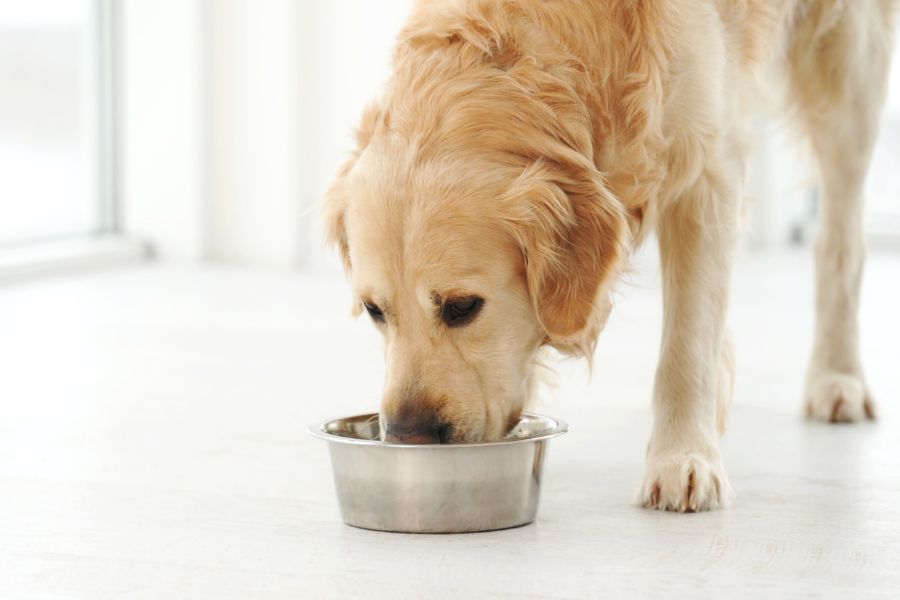
As dogs grow older, their bodies go through many natural changes. You may notice your senior dog sleeping more, walking more slowly, or becoming a bit pickier at mealtime. While aging is a normal part of life, the right nutrition can make a huge difference in how your dog feels every day.
Senior dogs need diets that support strong muscles, healthy energy levels, joint comfort, and digestion. With the right food plan, your dog can stay active, comfortable, and happy well into their golden years.
In this guide, we’ll cover the most important parts of senior dog nutrition, including protein, calorie control, and joint-supporting nutrients.
Why Senior Dogs Need a Different Diet
Most dogs are considered “senior” around age 7, although larger breeds may start aging earlier. As dogs grow older, their metabolism slows down, and their activity levels often decrease.
That means the food that worked well during adulthood may no longer be the best choice.
A balanced senior dog diet can help:
- Maintain lean muscle
- Prevent unhealthy weight gain
- Support joint health
- Improve digestion
- Strengthen the immune system
Protein: The Key to Strong Senior Muscles
One of the biggest myths about senior dogs is that they need less protein. In reality, many older dogs actually need high-quality protein to prevent muscle loss.
Why Protein Matters More With Age
As dogs age, they naturally lose muscle mass. Without enough protein, this process can happen faster, leading to weakness and reduced mobility.
The right protein intake helps:
- Support muscle maintenance
- Keep energy levels steady
- Strengthen organ function
- Improve recovery from illness
What Kind of Protein Is Best?
Look for animal-based proteins such as:
- Chicken
- Turkey
- Beef
- Fish
- Eggs
A veterinary clinic near you can help determine the best protein level for your senior dog’s breed, weight, and health needs.
Calories: Preventing Weight Gain in Older Dogs
Many senior dogs become less active over time, meaning they burn fewer calories each day. If their diet stays the same, weight gain can happen quickly.
Why Weight Control Is So Important
Extra weight adds stress to:
- Joints
- Heart
- Lungs
- Spine
Even a few extra pounds can make arthritis and mobility problems worse.
Signs Your Senior Dog May Need Fewer Calories
- Weight gain without changes in food
- Slower movement
- Heavy breathing after short walks
- Trouble standing up
A healthy senior diet should provide enough energy without excess calories.
Joint Support: Helping Senior Dogs Stay Comfortable
Joint stiffness and arthritis are common issues in older dogs. These problems can affect your dog’s ability to walk, climb stairs, or enjoy playtime.
Nutrients That Support Joint Health
A senior diet should include joint-supporting ingredients like:
Glucosamine and Chondroitin
These help protect cartilage and support mobility.
Omega-3 Fatty Acids
Found in fish oil, omega-3s reduce inflammation and joint discomfort.
MSM (Methylsulfonylmethane)
Often included in supplements to ease stiffness.
If your dog is slowing down, a veterinarian can recommend whether joint supplements or a prescription diet is needed.
Fiber and Digestive Health for Senior Dogs
Older dogs can develop more sensitive stomachs or changes in digestion. Fiber plays an important role in keeping the digestive system regular and healthy.
Benefits of Fiber in Senior Diets
- Helps prevent constipation
- Supports a healthy weight
- Improves nutrient absorption
- Promotes a balanced gut microbiome
Good fiber sources include:
- Pumpkin
- Sweet potatoes
- Brown rice
- Beet pulp
Vitamins and Antioxidants for Immune Support
As dogs age, their immune systems may weaken, making them more prone to illness.
Antioxidants help protect cells from aging-related damage and support long-term wellness.
Key Nutrients for Aging Dogs
- Vitamin E
- Vitamin C
- Beta-carotene
- Selenium
Many high-quality senior dog foods include these nutrients to support brain function and immune health.
Wet Food vs. Dry Food: Which Is Better for Seniors?
Both wet and dry food can work well, depending on your dog’s health needs.
Dry Food Benefits
- Helps reduce plaque buildup
- Convenient and cost-effective
- Longer shelf life
Wet Food Benefits
- Easier to chew
- Higher moisture content
- More appealing to picky eaters
Many senior dogs do best with a combination of both. A veterinarian can guide you based on dental health and hydration needs.
Prescription Diets for Senior Health Conditions
Some senior dogs develop medical conditions that require diets from experts, such as:
- Kidney disease
- Diabetes
- Heart disease
- Food allergies
Prescription diets are carefully formulated to manage these issues safely. Never switch to a prescription diet without veterinary guidance.
How to Transition Your Dog to a Senior Diet
Changing food too quickly can upset your dog’s stomach. A slow transition is best.
Senior Diet Transition Plan (7–10 Days)
- Days 1–3: 75% old food, 25% new
- Days 4–6: 50% old food, 50% new
- Days 7–9: 25% old food, 75% new
- Day 10: 100% new food
Watch for vomiting, diarrhea, or appetite changes during the transition.
When to Talk to a Veterinarian About Senior Nutrition
Every dog ages differently. Regular wellness exams help ensure your senior dog’s diet matches their health needs.
Contact a veterinarian near you if your dog experiences:
- Sudden weight loss or gain
- Trouble eating
- Increased stiffness
- Digestive issues
- Low energy
If you’re searching for a trusted “vet near me” in St. Augustine, FL, Antigua Veterinary Practice is here to support senior dogs with personalized nutrition guidance and compassionate senior pet care. Book online to get the necessary guidance that helps in providing the required nutrients in a senior dog’s diet.
FAQs
1. At what age should I switch my dog to senior food?
Ans: Most dogs benefit from senior diets around age 7, but large breeds may need it earlier. Your veterinarian can recommend the best timing.
2. Do senior dogs need more protein or less?
Ans: Senior dogs often need more high-quality protein to prevent muscle loss, not less.
3. How can I help my senior dog with joint pain through diet?
Ans: Look for foods with glucosamine, chondroitin, and omega-3 fatty acids for joint support.
4. Should senior dogs eat fewer calories?
Ans: Yes, many older dogs need fewer calories due to reduced activity and slower metabolism.
5. Is wet food better for older dogs?
Ans: Wet food can be easier to chew and helps with hydration, especially for dogs with dental concerns.
6. How do I choose the best diet for my senior dog?
Ans: The best diet depends on your dog’s weight, activity level, and medical needs. A veterinary team can help you make the right choice.