195 San Marco Ave
St. Augustine, FL 32084
Senior Cat Nutrition: A Complete Guide to Feeding Your Aging Cat

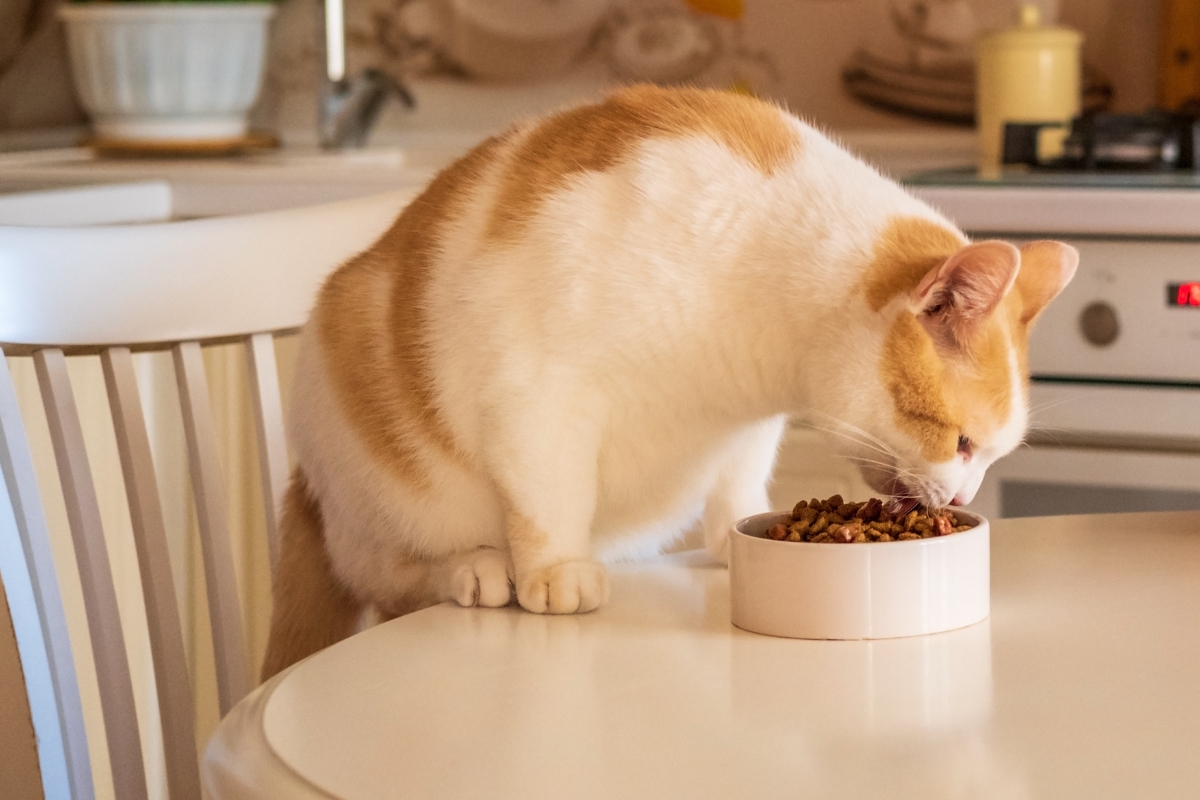
As cats grow older, their nutritional needs change significantly. Just like humans, senior cats experience slower metabolism, reduced activity, and may develop health challenges that require special attention. Proper nutrition plays a vital role in maintaining your feline companion’s energy, mobility, and overall health during their golden years. By understanding their changing dietary requirements, you can help your cat live a longer, happier life. In this blog, we will explore everything you need to know about senior cat nutrition and how to make informed food choices. This guide is particularly helpful for pet owners in St. Augustine, FL.
Understanding the Nutritional Needs of Senior Cats
Cats are typically considered seniors around 7 to 10 years of age. During this stage, their bodies undergo subtle but important changes. Metabolism slows, muscle mass may decrease, and organ function could decline. Therefore, a diet designed for senior cats should:
- Be high in quality protein to maintain lean muscle mass
- Contain moderate fat to support a healthy weight
- Include fiber to aid digestion
- Provide essential vitamins and minerals for overall health
- Support kidney and heart health with balanced phosphorus and sodium levels
Meeting these needs helps prevent common health problems and ensures your cat remains active and energetic.
1. High-Quality Protein: The Cornerstone of Senior Cat Nutrition
Protein is essential for all cats, but it becomes even more critical as they age. Senior cats may have a reduced ability to digest and absorb nutrients, so high-quality, easily digestible protein sources are ideal.
Best sources of protein include:
- Chicken
- Turkey
- Fish
Protein helps maintain muscle tone, supports organ function, and prevents frailty. If your cat has kidney disease, your veterinarian may recommend adjusting protein levels while ensuring adequate nutrition.
2. Controlled Fat for Weight Management
Older cats are generally less active, burning fewer calories than younger cats. While fat provides energy, too much can lead to obesity, increasing the risk of arthritis, diabetes, and heart disease.
Healthy fats, such as omega-3 and omega-6 fatty acids, help:
- Support joint flexibility
- Reduce inflammation
- Maintain a shiny coat
- Improve brain and skin health
A moderate fat content ensures your senior cat maintains an ideal body weight while receiving essential nutrients.
3. Fiber and Digestive Health
Digestive health is often overlooked in senior cats. Constipation and digestive upset are common issues as cats age. Fiber plays a key role in promoting gut health and regulating bowel movements.
Natural fiber sources include:
- Pumpkin
- Beet pulp
- Green beans
Additionally, probiotics can help support healthy gut bacteria, aiding nutrient absorption and overall digestive function.
4. Hydration and Kidney Support
Kidney disease is prevalent in older cats, making hydration essential. Many senior cats do not drink enough water, so incorporating wet or canned food into their diet is beneficial.
Tips to encourage hydration:
- Place multiple water bowls around the house
- Use a cat water fountain to entice drinking
- Mix water into wet food if needed
Proper hydration supports kidney function, overall health, and helps prevent urinary tract issues.
5. Essential Vitamins and Minerals
As cats age, their bodies require more support from vitamins and minerals to maintain immunity and overall well-being.
Key nutrients include:
- Vitamin E and C for antioxidant support
- Taurine for heart and vision health
- Calcium and phosphorus for strong bones
- B vitamins to boost energy and metabolism
If a senior cat’s diet is lacking, your veterinarian may recommend supplements tailored to their health needs.
6. Omega Fatty Acids for Joint and Skin Health
Omega-3 fatty acids, commonly found in fish oils, provide anti-inflammatory benefits that are particularly helpful for senior cats with arthritis or joint stiffness. These healthy fats also contribute to a shiny coat and healthy skin, promoting comfort and overall wellness.
7. Regular Veterinary Guidance
Every senior cat has unique nutritional needs. Some may develop kidney issues, diabetes, or thyroid problems, while others remain healthy well into their teens. Regular veterinary checkups help monitor your cat’s weight, blood work, and overall health.
Your veterinarian can provide a personalized nutrition plan, ensuring your senior cat receives the right balance of protein, fats, fiber, vitamins, and minerals. Remember to transition diets gradually to avoid digestive upset.
8. Feeding Tips for Senior Cats
- Introduce dietary changes slowly over 7–10 days
- Offer multiple small meals to improve digestion
- Encourage hydration with wet food or water fountains
- Monitor weight and appetite for any sudden changes
- Choose senior-specific formulas when possible
These practical steps help maintain your cat’s health, prevent disease, and improve quality of life.
Proper nutrition is a cornerstone of senior cat care. By providing high-quality protein, balanced fats, essential vitamins, fiber, and adequate hydration, you can help your aging cat remain healthy, active, and happy. Regular veterinary guidance ensures their diet meets individual needs and addresses any emerging health concerns.
If you are in St. Augustine, FL, and looking for senior cat care in an animal hospital near you, then book an appointment with Antigua Veterinary Practice. Our veterinary team is here to create a personalized nutrition plan to ensure your cat’s golden years are happy and healthy.
FAQs
Q1. At what age should I start feeding my cat senior-specific food?
Ans. Most cats benefit from a senior diet around 7–10 years old, depending on breed and health status.
Q2. Can I feed my senior cat regular adult cat food?
Ans. While adult cat food is safe for some seniors, senior-specific diets better address age-related nutritional changes.
Q3. How much protein should a senior cat have?
Ans. High-quality animal protein should be the main source. Your veterinarian can recommend amounts based on your cat’s health.
Q4. Is wet food better for senior cats?
Ans. Yes, wet food helps with hydration and is easier to chew, especially for cats with dental issues.
Q5. Should I give supplements to my senior cat?
Ans. Only under veterinary guidance. Supplements may be necessary if diet lacks certain vitamins or minerals.
Q6. How often should a senior cat have a veterinary checkup?
Ans. Every six months is ideal to monitor health, weight, and adjust nutrition as needed.