195 San Marco Ave
St. Augustine, FL 32084
Caring for Your Senior Dog: Essential Tips for Healthy Aging

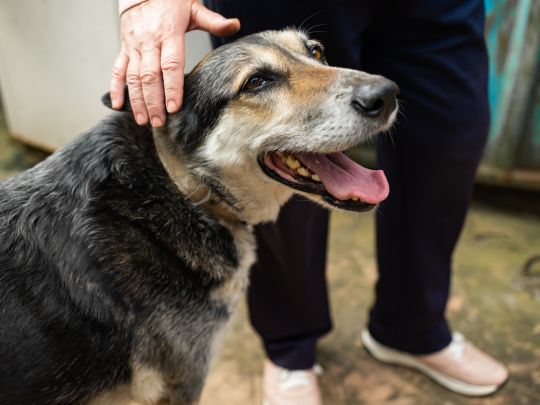
As dogs grow older, their needs change, and it’s important to adjust their care routine to ensure they continue to live a healthy and happy life. Senior dogs, typically those over the age of seven, often experience physical and emotional changes that require special attention. From changes in diet to more frequent veterinary visits, caring for your senior dog involves a bit more work, but the rewards are well worth it.
This blog will provide essential tips on how to care for your senior dog, helping them age gracefully while maintaining their health, comfort, and happiness.
1. Regular Veterinary Checkups
As your dog ages, regular veterinary checkups become even more important. Senior dogs are more susceptible to health issues such as arthritis, dental disease, and heart problems. Routine checkups allow your veterinarian to catch potential issues early before they become serious.
During these visits, your veterinarian will perform a thorough physical exam, check your dog’s weight, and conduct blood tests or imaging to monitor their internal health. It’s a good idea to schedule checkups every six months to ensure your dog stays on top of their health.
2. Adjusting Their Diet
Your senior dog’s nutritional needs are different from when they were a puppy or an adult. As they age, they may experience a slower metabolism and require fewer calories. Additionally, you’ll need to consider their specific health issues, such as joint pain or digestive issues, when choosing their food.
Look for high-quality dog food formulated for senior dogs. These foods often contain fewer calories but more nutrients to help maintain a healthy weight and prevent obesity. Ingredients like omega-3 fatty acids, glucosamine, and chondroitin can support joint health and mobility, which are common concerns for senior dogs.
It’s also important to monitor your dog’s weight regularly. If your senior dog starts to gain weight, it may be a sign that their metabolism is slowing down, and their calorie intake should be reduced. Conversely, if they lose weight, it could indicate an underlying health issue that requires veterinary attention.
3. Regular Exercise to Keep Them Active
Exercise is crucial for your senior dog’s physical and mental health. While they may not have the same energy levels as they did in their youth, regular exercise is still essential for keeping their muscles strong, maintaining a healthy weight, and preventing joint stiffness.
However, you may need to adjust the intensity and duration of their exercise sessions. Shorter, more frequent walks are often a better option than long, strenuous hikes. Low-impact activities like swimming or gentle playtime can also be great alternatives for senior dogs with joint issues like arthritis.
Be mindful of any signs of discomfort or fatigue during exercise. If your dog seems tired, sore, or unwilling to engage, it might be time to take a break or modify their activity level.
4. Dental Health Maintenance
Dental disease is a common problem for senior dogs. Plaque and tartar can build up on their teeth over time, leading to gum disease, tooth loss, and even heart problems if left untreated. Regular dental care is essential to keep their teeth and gums healthy.
Start brushing your senior dog’s teeth regularly with a toothbrush and toothpaste designed for dogs. Aim for at least a few times a week, but daily brushing is ideal. If brushing is difficult, consider dental chews or water additives designed to help maintain oral health.
In addition to at-home care, schedule professional dental cleanings with your veterinarian as needed. Dental cleanings help remove tartar and plaque buildup that can’t be removed by brushing alone.
5. Joint and Mobility Care
Joint issues like arthritis are common in senior dogs, and they can cause pain and stiffness, making it harder for your dog to move comfortably. If your senior dog is showing signs of joint pain, such as difficulty getting up, limping, or reluctance to go on walks, it’s important to address these issues.
Your veterinarian can prescribe medications or supplements to help manage pain and inflammation, such as nonsteroidal anti-inflammatory drugs (NSAIDs) or glucosamine. You can also make your home more senior dog-friendly by providing orthopedic beds for better joint support and using ramps or steps to help your dog get on and off furniture or into the car.
6. Providing Comfort and Mental Stimulation
Senior dogs may experience changes in their behavior and mental acuity, so it’s essential to provide them with a comfortable environment that suits their aging needs. Create a quiet, cozy space where your dog can rest comfortably without being disturbed. A soft bed or cushion can help alleviate pressure on their joints and improve their sleep quality.
Mental stimulation is just as important as physical exercise. Senior dogs may not have the same energy levels for play, but keeping their mind engaged is essential for preventing cognitive decline. Interactive toys, puzzle feeders, and simple training exercises can provide the mental challenge they need to stay sharp.
Also, be mindful of their emotional needs. Senior dogs may experience anxiety or stress as they age, so it’s important to maintain a calm and consistent environment. Spend quality time with them and provide affection, which will help them feel secure and loved.
7. Grooming and Hygiene
As your dog ages, they may require more frequent grooming to keep their coat healthy and clean. Regular grooming helps prevent mats and tangles, reduces shedding, and gives you the chance to check for skin problems or parasites. Bathing your senior dog every few weeks or as needed will also help keep their skin and coat in good condition.
Pay extra attention to your dog’s ears, nails, and eyes. Older dogs may develop more ear infections, so be sure to clean their ears regularly and check for any signs of redness or discharge. Long nails can cause discomfort or even joint problems, so keep them trimmed to a comfortable length.
Caring for your senior dog requires attention, patience, and understanding as they enter their golden years. With proper care, your senior dog can continue to live a happy, healthy, and active life. Regular veterinary checkups, proper nutrition, dental care, and joint support can all contribute to their overall well-being.
Conveniently located in St. Augustine, FL, if you are looking for senior dog care near me, then Antigua Veterinary Practice is the best choice for you. Our compassionate team have the expertise in senior pet care, offering expert support to ensure your furry friend remains healthy, comfortable, and happy throughout their golden years. Contact us today to provide your senior dog with the quality care they deserve.