195 San Marco Ave
St. Augustine, FL 32084
From Plaque to Pain: Why Dog Dental Care Matters More Than You Think

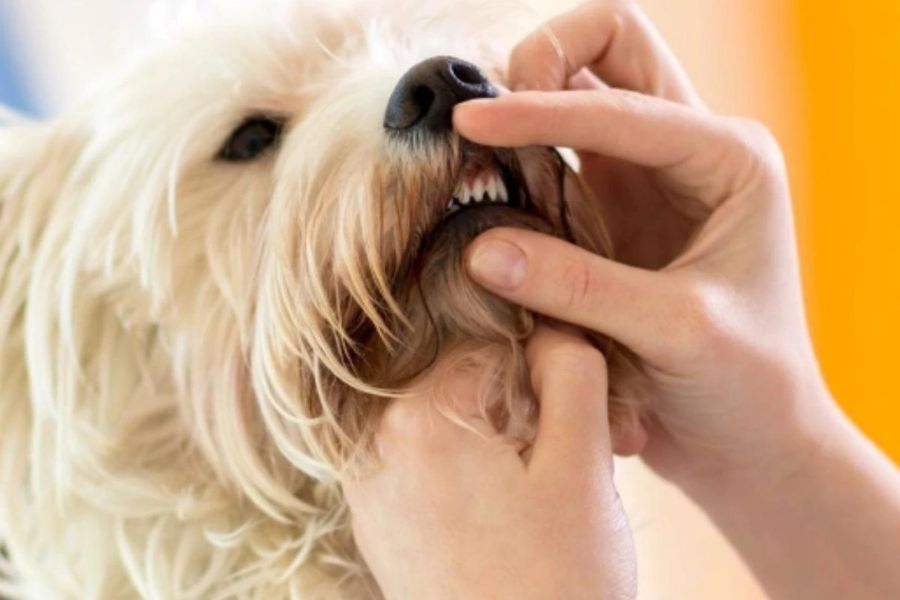
Dog dental care is often overlooked, yet it plays a major role in your dog’s overall health and comfort. Many pet owners do not realize that plaque buildup can quickly turn into painful infections, tooth loss, and even serious health complications. In this guide, we will explain why dog dental care matters, the risks of ignoring oral health, warning signs to watch for, and simple ways to keep your dog’s teeth clean and healthy.
Why Dog Dental Care Is More Important Than Most Owners Realize
Dental health is not just about fresh breath. Dog dental care directly impacts your pet’s quality of life. Without proper oral care, bacteria in your dog’s mouth can lead to painful dental disease and spread to vital organs.
According to veterinary professionals, most dogs show signs of dental disease by the age of three. This means many pets are living with discomfort long before owners notice a problem.
Poor dental health can lead to:
- Gum inflammation
- Tooth decay
- Tooth loss
- Pain while eating
- Bacterial infections
- Heart, kidney, and liver complications
Regular dog dental care helps prevent these problems and keeps your pet healthy for years to come.
How Plaque Turns Into Painful Dental Disease
Dental problems in dogs usually start small. Plaque forms on teeth within hours after eating. If not removed, plaque hardens into tartar, which irritates the gums and leads to infection.
Here is how the process typically develops:
- Plaque buildup occurs from food particles and bacteria
- Tartar formation hardens on teeth within days
- Gingivitis causes red and swollen gums
- Periodontal disease damages tissue and bone
- Tooth loss and infection develop
Once periodontal disease begins, it can become painful and difficult to reverse. This is why consistent dog dental care is essential.
Signs Your Dog May Have Dental Problems
Dogs rarely show pain clearly, which makes dental disease harder to detect. However, there are several warning signs pet owners should watch for.
Common signs include:
- Bad breath that does not improve
- Yellow or brown buildup on teeth
- Red or swollen gums
- Difficulty chewing
- Dropping food while eating
- Excessive drooling
- Pawing at the mouth
- Loose or missing teeth
If you notice any of these symptoms, it is important to schedule a dental checkup. Early treatment can prevent more serious issues.
Health Risks Linked to Poor Dog Dental Care
Many pet owners assume dental disease only affects the mouth. In reality, bacteria from infected gums can enter the bloodstream and affect major organs.
Poor dog dental care has been linked to:
Heart Disease
Bacteria from dental infections can travel to the heart and cause inflammation.
Kidney Problems
Toxins from oral bacteria may damage kidney function over time.
Liver Complications
Chronic infections increase the risk of liver issues.
Chronic Pain and Reduced Appetite
Dental disease can make eating uncomfortable, leading to weight loss and poor nutrition.
Maintaining your dog’s oral health is not just about teeth. It protects your pet’s entire body.
Breeds That Are More Prone to Dental Issues
Some dogs are more likely to develop dental problems due to their size or jaw structure. Smaller breeds often have crowded teeth, which makes plaque buildup more likely.
Breeds that commonly experience dental issues include:
- Small breed dogs
- Toy breeds
- Flat-faced breeds
- Senior dogs
Even if your dog is not on this list, regular dog dental care is still essential.
How Often Should Dogs Receive Dental Care?
Veterinarians recommend a combination of daily home care and professional dental exams.
Here is a simple dental care routine:
Daily Care
- Brush your dog’s teeth
- Offer dental chews
- Provide fresh water
Weekly Care
- Check your dog’s mouth for signs of irritation
- Use dental wipes or rinses
Professional Care
- Annual dental exams
- Professional cleanings when recommended
Following this routine helps prevent plaque buildup and supports long-term health.
Best Ways to Improve Dog Dental Care at Home
Taking care of your dog’s teeth at home does not have to be difficult. A few simple habits can make a big difference.
Brush Your Dog’s Teeth Regularly
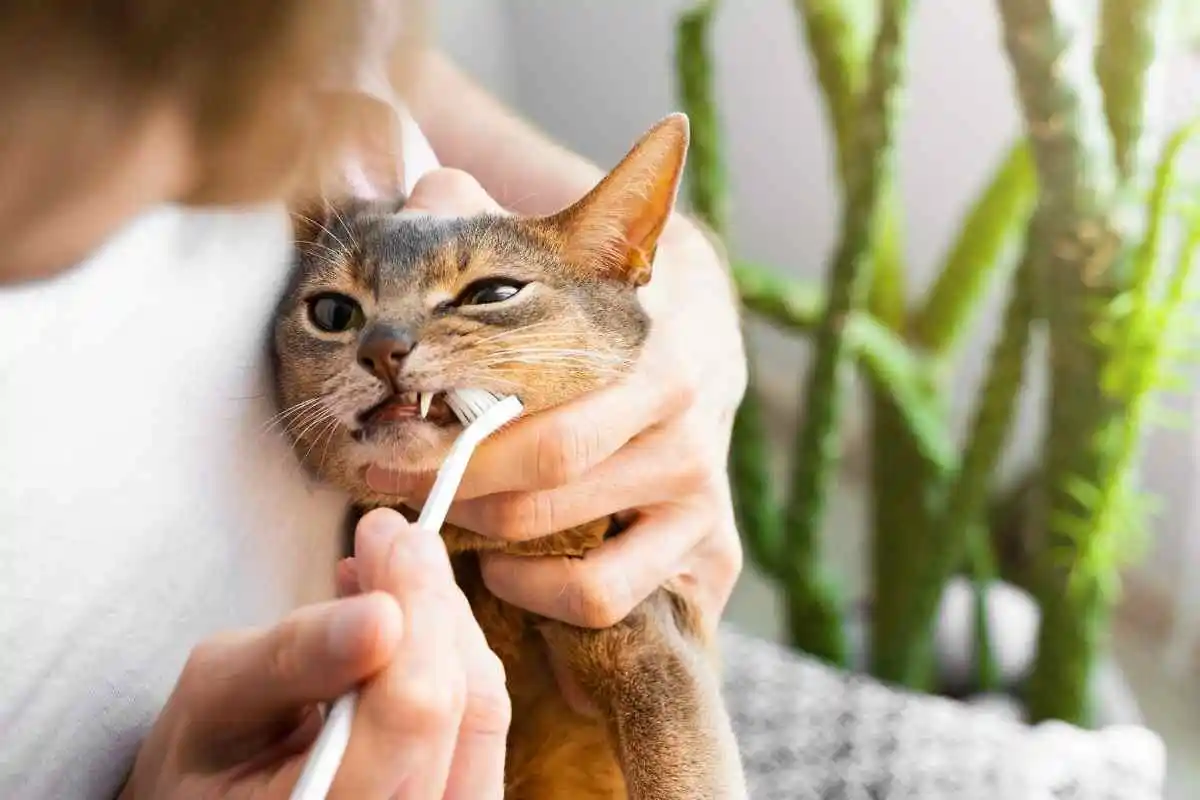
Brushing is one of the most effective ways to prevent dental disease. Use dog-friendly toothpaste and a soft brush.
Tips for brushing:
- Start slowly
- Use flavored toothpaste
- Reward your dog after brushing
- Aim for daily brushing
Provide Dental Chews
Dental chews help reduce plaque and tartar buildup. Choose products designed for your dog’s size and chewing style.
Use Dental Water Additives
Water additives can help reduce bacteria and freshen breath. These are easy to use and helpful for dogs that resist brushing.
Offer Dental-Friendly Toys
Chew toys help remove plaque naturally. Avoid extremely hard toys that could damage teeth.
Consistent dog dental care at home can significantly reduce the risk of dental disease.
When Professional Dental Cleaning Is Necessary
Even with good home care, some dogs need professional dental cleanings. These cleanings remove tartar buildup and allow veterinarians to examine the mouth thoroughly.
Professional dental cleaning may include:
- Oral examination
- Tartar removal
- Polishing teeth
- X-rays if needed
- Treatment for infections
Veterinarians determine how often your dog needs cleanings based on age, breed, and oral health.
Preventing Dental Problems in Puppies
Starting early makes dental care easier. Puppies that get used to brushing are more comfortable with dental care as adults.
Tips for puppy dental care:
- Introduce brushing early
- Handle your puppy’s mouth gently
- Use positive reinforcement
- Schedule early dental exams
Early dog dental care builds healthy habits and reduces future dental issues.
The Cost of Ignoring Dog Dental Care
Skipping dental care may seem harmless, but it often leads to expensive treatments later. Advanced dental disease can require:
- Tooth extractions
- Infection treatment
- Surgery
- Long-term medication
Preventive care is more affordable and keeps your dog comfortable.
How Diet Affects Dog Dental Health
Your dog’s diet also plays a role in dental health. Some foods contribute to plaque buildup more than others.
Helpful diet tips:
- Choose high-quality dog food
- Avoid sugary treats
- Use dental-friendly treats
- Offer crunchy foods when appropriate
Combining good nutrition with dog dental care improves overall oral health.
Dog dental care is essential for keeping your pet healthy, comfortable, and pain-free. From preventing plaque buildup to reducing the risk of serious health issues, regular dental care makes a significant difference in your dog’s quality of life. By recognizing early signs, maintaining a home routine, and scheduling professional cleanings, you can protect your dog’s teeth and overall health for years to come. If you are concerned about your pet’s oral health, schedule a dental checkup with Antigua Veterinary Practice in St. Augustine, FL, today and give your dog the care they deserve.
FAQs
Q1: How often should I brush my dog’s teeth?
Ans: You should brush your dog’s teeth daily if possible. Consistent dog dental care helps prevent plaque buildup and gum disease.
Q2: What are the first signs of dental disease in dogs?
Ans: Bad breath, red gums, and tartar buildup are early signs. Addressing these symptoms early helps prevent more serious issues.
Q3: Are dental chews effective for dog dental care?
Ans: Yes, dental chews can help reduce plaque and tartar. They work best when combined with brushing and regular vet visits.
Q4: At what age should dog dental care begin?
Ans: Dog dental care should start during puppyhood. Early habits make brushing easier and reduce dental problems later.
Q5: How often do dogs need professional dental cleanings?
Ans: Most dogs benefit from annual dental exams and cleanings as recommended by a veterinarian. Frequency depends on your dog’s oral health and risk factors.