195 San Marco Ave
St. Augustine, FL 32084
Brushing Your Pet’s Teeth: A Step-by-Step Guide for Pet Parents

As pet owners, we all want to ensure that our furry friends lead long and healthy lives. While regular vet checkups and a balanced diet play a significant role, one often-overlooked aspect of pet care is dental hygiene. Just like humans, pets are prone to dental issues, and poor oral health can lead to more serious conditions like periodontal disease, tooth loss, and even heart and kidney problems. Brushing your pet’s teeth is a simple yet highly effective way to protect their health.
If you’re new to brushing your pet’s teeth or are unsure how to start, don’t worry! This step-by-step guide will walk you through everything you need to know to keep your pet’s mouth clean and healthy.
Why Brushing Your Pet’s Teeth is Important
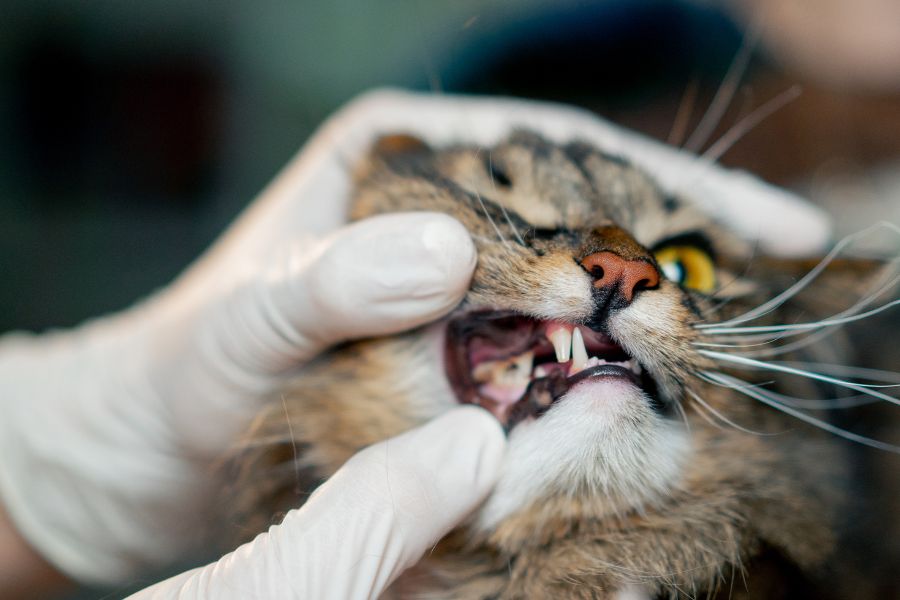
Brushing your pet’s teeth is vital for maintaining their overall health. Plaque and tartar buildup can lead to painful gum disease, bad breath, and tooth decay. According to the American Veterinary Dental Society, 80% of dogs and 70% of cats show signs of dental disease by the age of three. The good news is, with proper brushing and care, you can significantly reduce your pet’s risk of these issues.
Dental disease in pets doesn’t just affect their mouths – it can spread bacteria to other parts of the body, potentially causing systemic problems such as heart disease and kidney issues. Fortunately, brushing your pet’s teeth regularly can prevent many of these concerns and contribute to their overall wellness.
Step 1: Gather the Right Supplies
Before you begin brushing your pet’s teeth, it’s essential to have the right tools. Avoid using human toothpaste, as it contains ingredients that are toxic to pets. Instead, purchase toothpaste specifically designed for pets, which is safe to swallow and comes in flavors like chicken or peanut butter that your pet will find appealing.
Here’s what you’ll need:
- Pet toothpaste: Choose a pet-friendly toothpaste from your local pet store or vet.
- Toothbrush: You can use a pet-specific toothbrush or a soft-bristled human toothbrush. There are also finger brushes available that you can slip onto your finger for better control.
- Dental wipes or pads: These are a great alternative if your pet refuses a toothbrush.
- Treats or rewards: After brushing, offer your pet a treat to reinforce positive behavior.
Step 2: Get Your Pet Comfortable with the Process
Introducing your pet to brushing can take time. Be patient and go slow. Start by letting your pet sniff and taste the toothpaste so they can get used to the smell and flavor. You may even let them lick the toothpaste directly from the brush or your finger.
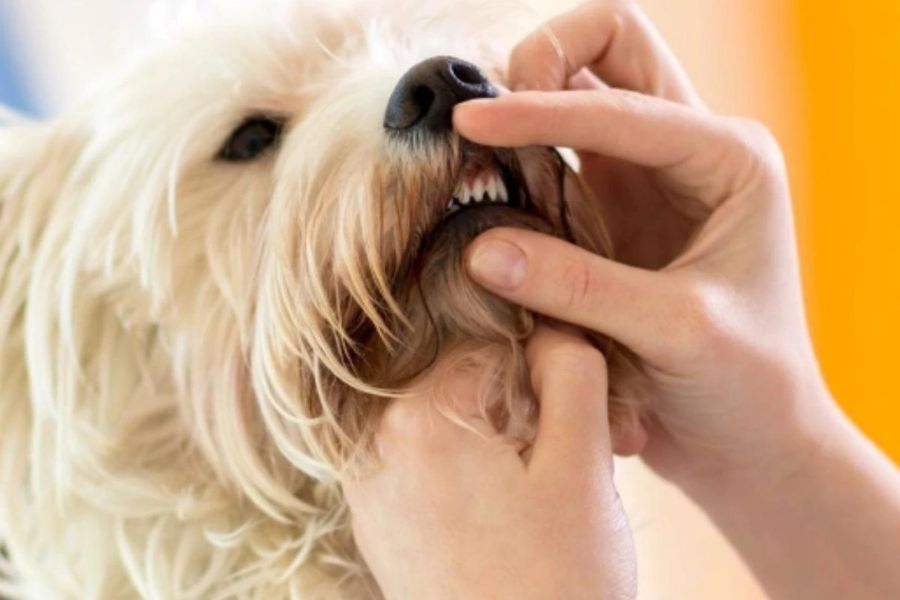
Next, gently handle their mouth by rubbing their gums and teeth with your finger. This will help them get used to having their mouth touched, which is a crucial step before introducing the toothbrush. Take it slow and stop if your pet seems stressed or uncomfortable.
Step 3: Start Brushing – Gently Does It
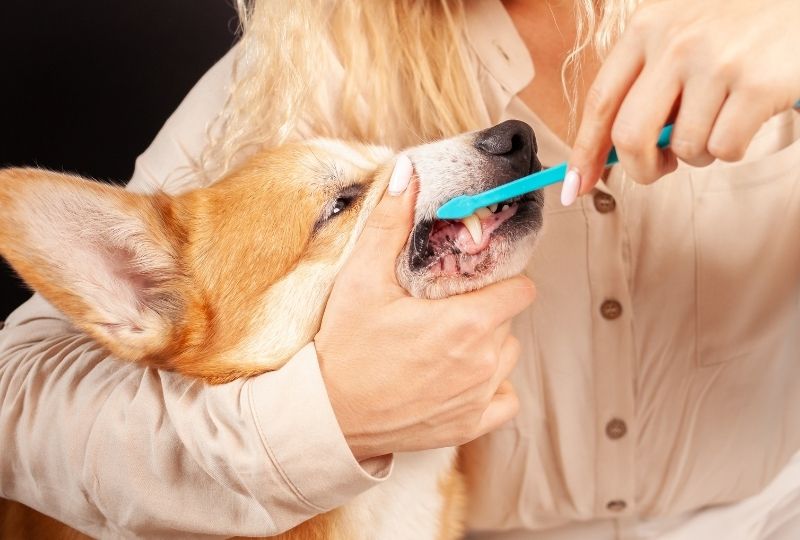
Once your pet is comfortable with you touching their mouth, it’s time to start brushing. Begin by applying a small amount of pet-safe toothpaste to the toothbrush. Gently lift your pet’s lips and start brushing the outer surfaces of their teeth. Focus on the back teeth, as this is where plaque tends to build up the most.
Use gentle, circular motions and be sure to cover both the upper and lower teeth. It’s normal for your pet to move or try to pull away – just be gentle and calm them down with a soothing voice if necessary. Don’t rush the process. Even brushing for 30 seconds to one minute is a good start. You can gradually increase the brushing time as your pet gets more accustomed to the routine.
Step 4: Gradually Increase Frequency
At first, brushing your pet’s teeth once a week may be enough to start building the habit. However, for optimal results, it’s best to brush your pet’s teeth daily. Like human dental care, consistency is key. Try to brush their teeth at the same time every day to establish a routine.
If brushing every day feels overwhelming, aim for at least two to three times a week. The more often you brush, the better it will be for your pet’s oral health. Over time, your pet will get used to the process, and it will become a regular part of their grooming routine.
Step 5: Monitor Your Pet’s Dental Health
Even with regular brushing, it’s essential to monitor your pet’s oral health. Look for signs of dental problems such as:
- Bad breath (halitosis)
- Red or swollen gums
- Discolored teeth
- Difficulty eating or chewing
- Excessive drooling
If you notice any of these signs, it’s important to schedule a dental checkup with your vet. Your vet can perform a professional cleaning and examine your pet’s teeth for underlying issues that may not be visible to the naked eye.
Alternative Options for Pets Who Won’t Tolerate Brushing
If your pet refuses to let you brush their teeth, don’t worry – there are alternative ways to keep their mouth clean:
- Dental chews: Specially designed dental chews can help reduce plaque buildup and freshen breath.
- Dental diets: Some pet foods are designed to promote oral health and reduce tartar buildup.
- Water additives: There are water additives that you can add to your pet’s drinking water to help control plaque and bad breath.
While these alternatives can support your efforts, brushing remains the most effective method for preventing dental disease.
Brushing your pet’s teeth is an easy and essential step in maintaining their overall health and well-being. While it may take some time for both you and your pet to get used to the process, the benefits are well worth the effort. By making dental care a priority and brushing regularly, you can help prevent painful dental diseases and ensure your pet’s long-term health.
If you’re in need of pet dental care in St. Augustine, FL, be sure to visit a local vet who can provide professional cleanings and expert advice on how to maintain your pet’s oral health. Regular dental visits will complement your at-home brushing routine, ensuring your pet’s smile stays bright and healthy for years to come.
FAQs:
Q1. How often should I brush my pet’s teeth?
Ans. Aim to brush your pet’s teeth daily for the best results, but brushing two to three times a week is still effective.
Q2. Can I use human toothpaste for my pet?
Ans. No, human toothpaste contains fluoride, which is toxic to pets. Always use toothpaste designed for pets.
Q3. What if my pet refuses to let me brush their teeth?
Ans. If brushing is difficult, try dental chews, water additives, or special dental diets to help maintain oral health.
Q4. How can I tell if my pet has dental disease?
Ans. Look for symptoms like bad breath, red gums, discolored teeth, or difficulty eating. Contact your vet if you notice these signs.
Q5. Is professional dental cleaning necessary?
Ans. Yes, professional cleanings by your vet are essential for removing tartar and plaque that brushing can’t reach.
Q6. Can brushing prevent dental disease in pets?
Ans. Regular brushing can significantly reduce the risk of dental disease by preventing plaque buildup and promoting healthy gums and teeth.