195 San Marco Ave
St. Augustine, FL 32084
Core vs. Non-Core Vaccines: What Every Pet Owner Should Know

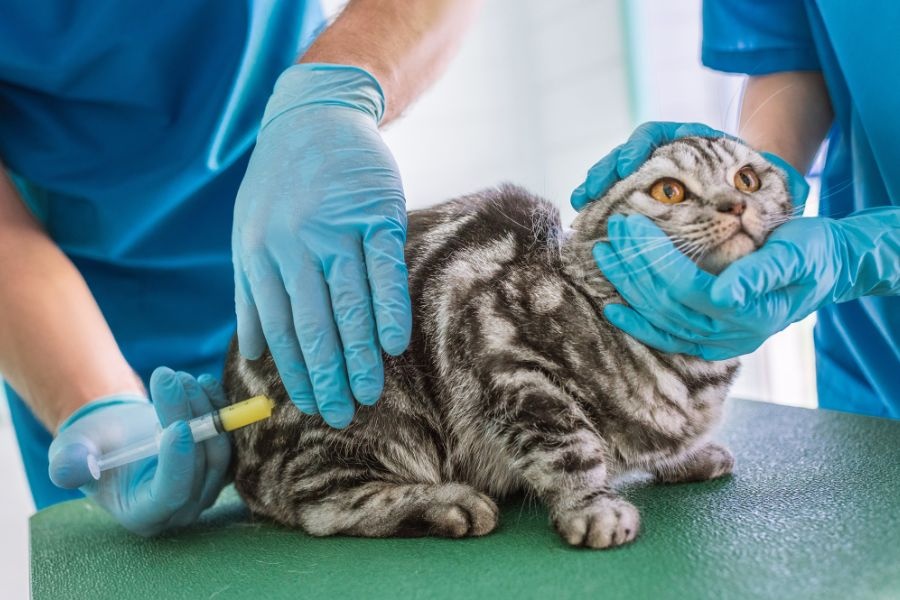
If you have ever sat in a vet’s office wondering why your dog needs some vaccines every year but not others, you are not alone. Pet vaccinations can feel confusing, especially when the recommendations seem to shift based on your pet’s lifestyle, age, or breed. The truth is, not every vaccine is right for every pet, and understanding the difference between core and non-core vaccines can help you make smarter, more confident decisions about your pet’s health. At Antigua Veterinary Practice in St. Augustine, FL, we walk every pet owner through a personalized vaccine plan so nothing gets missed and nothing unnecessary gets added.
What Are Core Vaccines and Why Do They Matter?
Core vaccines are those recommended for every dog or cat, regardless of lifestyle or location. They protect against diseases that are either highly contagious, potentially fatal, or transmissible to humans. These are the vaccines your veterinarian will rarely skip.
For dogs, core vaccines include:
- Rabies — required by law in Florida and most U.S. states
- Distemper — a serious viral illness affecting the nervous system and respiratory tract
- Parvovirus — highly contagious and often fatal in unvaccinated dogs, especially puppies
- Adenovirus (Hepatitis) — protects against infectious canine hepatitis
These are often bundled into a combination shot called the DHPP vaccine, which covers distemper, hepatitis, parvovirus, and parainfluenza in a single dose.
For cats, core vaccines include:
- Rabies — required by law, even for indoor cats, in many states
- Feline Viral Rhinotracheitis, Calicivirus, and Panleukopenia (FVRCP) — commonly called the “feline distemper” combo
The diseases these vaccines prevent spread easily and carry serious consequences. A puppy that misses its parvo series is genuinely at risk of a life-threatening illness. A cat that has never been vaccinated against panleukopenia can decline rapidly within days of exposure. These are not optional protections.
Understanding Non-Core Vaccines
Non-core vaccines are not one-size-fits-all. They are recommended based on your pet’s specific risk factors, including where you live, how your pet spends time, and what they come into contact with day to day.
That said, “non-core” does not mean unimportant. For some pets, these vaccines are just as essential as core ones. The term simply means that the decision depends on individual circumstances rather than applying universally.
Common non-core vaccines for dogs include:
- Bordetella (kennel cough) — highly recommended for dogs that visit groomers, boarding facilities, dog parks, or training classes
- Leptospirosis — a bacterial infection spread through water and wildlife; relevant in Florida due to the warm, wet climate and abundant wildlife exposure
- Lyme disease — important for dogs in tick-heavy areas or those who spend time outdoors in wooded or grassy regions
- Canine Influenza — for dogs that are frequently around other dogs in group settings
Common non-core vaccines for cats include:
- Feline Leukemia Virus (FeLV) — strongly recommended for outdoor cats or those living with FeLV-positive cats
- Feline Immunodeficiency Virus (FIV) — discussed based on individual risk factors
- Chlamydophila felis — sometimes included for cats in multi-cat households with respiratory illness history
The right mix of non-core vaccines depends on a detailed conversation with your vet about your pet’s daily life.
How Veterinarians Decide Which Vaccines Your Pet Needs?
Beyond the core vs. non-core distinction, veterinarians consider several factors when building a vaccine plan. This is where veterinary preventive care becomes highly individualized.
Age plays a big role. Puppies and kittens receive a series of vaccines in the first few months of life because maternal antibodies the protection passed from mother to offspring, begin to wear off. The puppy and kitten vaccine schedule is designed to fill that gap as the immune system matures.
Lifestyle matters just as much. An indoor-only cat in a single-pet household has a different risk profile than a dog that goes to the dog park three times a week. A pet that travels with you to different states or spends weekends hiking faces different exposures than a homebod dog who rarely leaves the yard.
Health status is another piece. Some vaccines are modified-live, meaning they contain a weakened form of the virus. For immunocompromised pets, your vet may recommend killed or recombinant alternatives to reduce risk.
Geographic location rounds out the picture. Living in St. Augustine, FL, means warm, humid conditions that support year-round tick and mosquito activity, which affects the conversation around leptospirosis, Lyme, and heartworm prevention. A pet in a drier, cooler climate faces a different set of risks.
What to Expect from a Vaccine Appointment
A vaccine visit is more than just a few quick injections. A thorough wellness exam typically comes first, because your vet needs to confirm your pet is healthy enough to receive vaccines that day. A pet that is running a fever or fighting an infection may need to reschedule.
Here is what a typical vaccine appointment looks like:
- Check-in and weight measurement — weight determines dosing accuracy
- Physical exam — eyes, ears, teeth, coat, lymph nodes, heart, and lungs
- Review of vaccine history — your vet looks at what is due and what can wait
- Vaccine administration — most are given as injections; some, like Bordetella, can be given intranasally
- Post-vaccine monitoring — you may be asked to wait 15 minutes to watch for any immediate reactions
Mild side effects after vaccines are normal. Your pet may be quieter than usual or have slight soreness at the injection site for a day or two. Serious reactions are rare, but if you notice facial swelling, vomiting, difficulty breathing, or extreme lethargy within a few hours of vaccination, contact your vet right away.
Keeping Up with Vaccine Schedules Over Time
Vaccines are not a one-and-done event. They require boosters at specific intervals to stay effective. The rabies vaccine is a good example. In Florida, it is legally required and given as a one-year vaccine initially, followed by three-year boosters depending on the product used.
Other vaccines, like the DHPP and FVRCP combinations, are typically boostered every one to three years in adult pets after the initial puppy or kitten series. The frequency depends on the vaccine type, the product’s duration of immunity, and your pet’s health history.
Staying current matters more than most pet owners realize. An outbreak of parvovirus or kennel cough can move through a dog park or boarding facility quickly. Leptospirosis cases pop up in Florida regularly due to standing water and wildlife contact. Keeping your pet’s vaccines up to date is one of the simplest and most cost-effective ways to protect them.
The best approach is to schedule an annual wellness visit and use that appointment to review your pet’s full preventive care plan, including vaccines, parasite prevention, dental health, and nutrition.
Why Pet Owners in St. Augustine Trust Our Team?
Pet owners in St. Augustine want more than a quick shot and a sticker. They want to understand what their pets are being protected against and why. That is exactly the kind of care we aim to deliver.
At Antigua Veterinary Practice, every vaccine recommendation is based on your pet’s age, lifestyle, health history, and the specific risks that come with living in our region. We do not run through a checklist. We have a real conversation with you, explain the reasoning behind each recommendation, and respect your role as your pet’s primary caregiver.
Whether you have a brand-new puppy working through its first vaccine series or a senior cat due for a wellness review, our team is here to make sure your pet is protected in a way that fits their life.
Conclusion
Understanding the difference between core and non-core vaccines puts you in a much better position to advocate for your pet’s health. Core vaccines lay the foundation, protecting against diseases serious enough to affect every pet. Non-core vaccines fill in the gaps based on real-world risk factors that are specific to your animal and your environment. Together, a well-planned pet vaccine schedule is one of the most powerful tools in veterinary preventive care.
If you are unsure whether your pet is up to date or you want to revisit the vaccine plan you have been following, our team at Antigua Veterinary Practice in St. Augustine, FL, is ready to help. Call us to schedule a wellness exam, and let’s make sure your pet has the protection they need for every season ahead.
Frequently Asked Questions
Q1: What is the difference between core and non-core vaccines for pets?
Ans: Core vaccines are recommended for all pets regardless of lifestyle because they protect against diseases that are highly contagious, life-threatening, or zoonotic (meaning they can spread to people). Non-core vaccines are given based on a pet’s individual risk factors, such as time spent outdoors, contact with other animals, or geographic location.
Q2: How do I know if my dog needs the leptospirosis vaccine?
Ans: Leptospirosis is spread through contaminated water and contact with wildlife, making it a relevant concern for dogs in Florida and other warm, wet climates. If your dog swims in ponds or lakes, spends time in wooded areas, or lives in a region with wildlife activity, your vet will likely recommend it. A quick conversation about your dog’s daily routine is all it takes to figure out if this vaccine belongs in their plan.
Q3: How often does my pet need vaccines after the first series?
Ans: After the initial puppy or kitten vaccine series, most core vaccines are boostered one year later and then every one to three years, depending on the product and your pet’s health. Some non-core vaccines, like Bordetella, may need annual or even semi-annual boosters for pets with high exposure. Your vet will map out a schedule specific to your pet at each wellness visit.
Q4: Are pet vaccines safe? What side effects should I watch for?
Ans: Pet vaccinations are considered very safe, and serious reactions are uncommon. Mild effects like tiredness, slight swelling at the injection site, or reduced appetite for a day or two are normal. More serious signs, including facial swelling, vomiting, hives, or breathing difficulty, are rare but warrant a call to your vet right away. Letting your clinic know about any past reactions helps them plan future appointments safely.
Q5: When should I take my puppy or kitten in for their first vaccines?
Ans: Most puppies and kittens start their vaccine series between 6 and 8 weeks of age, with boosters continuing every 3 to 4 weeks until around 16 weeks. The goal is to build lasting immunity as maternal antibodies from the mother gradually fade. Missing or delaying vaccines during this window leaves young pets vulnerable during one of their most at-risk stages of life.