195 San Marco Ave
St. Augustine, FL 32084
Pet Wellness 101: Building Healthy Habits for a Lifetime

As a pet owner, your responsibility extends beyond feeding and sheltering your furry friend. To ensure that your pet leads a long, happy, and healthy life, it’s crucial to adopt habits that promote their overall wellness. Just like humans, pets require the right balance of nutrition, physical activity, mental stimulation, and regular veterinary care. By building these healthy habits early on, you set the foundation for your pet’s well-being and longevity.
In this guide, we’ll explore the essential components of pet wellness, providing practical tips that can help you create a healthy routine that lasts a lifetime.
1. Nutrition: The Cornerstone of Health
The foundation of a healthy life starts with a balanced diet. Proper nutrition plays a pivotal role in maintaining your pet’s energy levels, weight, and overall health. Whether you have a dog, cat, or other animals, it’s essential to feed them high-quality, species-appropriate food.
Choosing the Right Food
Different pets have different dietary needs. Dogs generally thrive on protein-rich diets, while cats, being obligate carnivores, require animal-based proteins to maintain their health. Always opt for food that meets your pet’s specific age, size, and breed requirements. For example, puppies need food formulated for growth, while senior pets benefit from formulas that support joint health.
Portion Control
Overfeeding can lead to obesity, which in turn can cause a variety of health problems like joint issues, diabetes, and heart disease. It’s important to follow recommended feeding guidelines based on your pet’s weight and activity level. Measure their food carefully and avoid giving them too many treats.
2. Exercise: Keeping Your Pet Fit and Active
Exercise isn’t just important for weight management – it also improves your pet’s mental health. Regular physical activity helps prevent anxiety, stress, and boredom.
Dogs and Exercise
For dogs, daily walks, play sessions, and even dog sports can help burn off excess energy. Larger, more active breeds may require more intense exercise, while smaller dogs may only need moderate activity. Aim for at least 30 minutes to an hour of physical activity every day to keep your dog in optimal shape.
Cats and Mental Stimulation
While cats don’t require as much physical exercise, mental stimulation is just as crucial for their well-being. Interactive toys, laser pointers, and climbing structures will encourage them to move and stay engaged.
3. Mental Stimulation: Keeping Your Pet’s Mind Sharp
Pets, especially dogs and cats, need more than just physical activity – they need mental stimulation to prevent boredom. Boredom can lead to behavioral problems, including destructive chewing, scratching, and even depression.
Interactive Toys and Puzzles
Investing in interactive toys can provide hours of entertainment for your pet. Puzzle feeders, treat-dispensing toys, and cognitive challenges are excellent for stimulating your pet’s brain.
Training Sessions
Training isn’t just for dogs; it’s beneficial for all pets. Regular training sessions help keep your pet mentally engaged and also strengthen the bond between you and your pet. Basic commands, tricks, or even agility training can be fun and challenging for your pet, providing them with the mental stimulation they need.
4. Regular Veterinary Checkups: Proactive Health Management
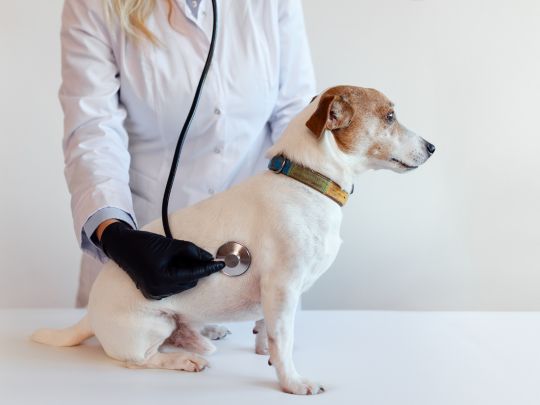
Routine veterinary visits are essential for your pet’s health. Preventive care is far better than dealing with health issues later on. Regular checkups help catch problems early, making treatments more effective.
Routine Examinations
Veterinary exams typically include a physical checkup, vaccination updates, parasite prevention, and dental evaluations. Early detection of conditions like arthritis, dental disease, or allergies can make a significant difference in your pet’s quality of life.
Vaccinations and Parasite Control
Vaccinations are essential for preventing diseases like rabies, distemper, and parvovirus in dogs, and respiratory infections in cats. Additionally, regular parasite control is necessary to prevent flea, tick, and worm infestations, all of which can seriously harm your pet’s health.
5. Grooming: Maintaining Cleanliness and Comfort
Grooming plays an essential role in your pet’s health and comfort. Regular grooming sessions not only keep your pet looking great but also allow you to spot early signs of skin problems, parasites, or other health concerns.
Brushing and Bathing
For pets with long fur, regular brushing is a must to prevent matting and reduce shedding. Cats and dogs alike can benefit from baths, but always use products that are specifically designed for pets. Bathing too frequently can strip your pet’s skin of natural oils, leading to dryness.
Nail Trimming and Ear Care
Trimming your pet’s nails regularly prevents painful overgrowth and helps avoid injuries. If your pet’s ears tend to get dirty, clean them regularly with safe, pet-friendly ear solutions.
6. Socialization: Promoting Healthy Interaction
Socialization is essential for your pet’s emotional well-being. Pets, especially dogs, benefit from meeting new people and other animals. Early socialization helps prevent behavior problems, like aggression or anxiety, later in life.
Dog Parks and Playdates
Allowing your dog to interact with other dogs at the dog park or through playdates is a great way to improve their social skills. Positive interactions can help them become more confident and well-adjusted.
Cat Socialization
While cats tend to be more independent, they can still benefit from exposure to different environments and people. Take your time and allow them to adjust at their own pace to avoid stress.
7. Creating a Safe and Comfortable Home Environment
Lastly, your pet’s environment plays a significant role in their well-being. A safe, clean, and comfortable space will help your pet feel secure and at ease.
Pet-Proofing Your Home
Keep harmful chemicals, toxic plants, and sharp objects out of reach. Ensure that your pet has a designated resting area where they can relax without disturbances. For senior pets, consider investing in joint-supportive beds to ease discomfort.
By incorporating these essential habits into your pet’s daily routine, you’ll be setting them up for a lifetime of health and happiness. From providing a balanced diet and regular exercise to ensuring mental stimulation and routine checkups, every aspect of pet wellness plays a role in your pet’s quality of life. If you’re looking for pet wellness care in St. Augustine, FL, consult with a local veterinarian to ensure your pet’s needs are met and that they remain healthy for years to come.
FAQs:
Q1. What is the best diet for my pet?
Ans. Choosing the right diet depends on your pet’s species, age, and health condition. Consult your vet for tailored recommendations.
Q2. How often should I exercise my dog?
Ans. Most dogs need at least 30 minutes to an hour of exercise daily, depending on their breed and age.
Q3. What are the signs of dental issues in pets?
Ans. Bad breath, difficulty eating, and inflamed gums are common signs of dental issues in pets. Regular dental checkups are essential.
Q4. How can I tell if my pet is mentally stimulated?
Ans. Pets that engage with toys, perform tricks, and show interest in their surroundings are likely mentally stimulated.
Q5. How can I prevent my pet from becoming obese?
Ans. Measure their food portions, limit treats, and ensure they get regular exercise to maintain a healthy weight.
Q6. Why is regular vet care important?
Ans. Routine vet visits help catch potential health issues early, allowing for better treatment outcomes and improved overall health.
Related Articles