195 San Marco Ave
St. Augustine, FL 32084
How to Prepare for Your Pet’s First Vet Appointment

Bringing your pet to the vet for the first time is a big step. Whether you have a playful puppy, a curious kitten, or an adopted adult pet, that first visit sets the tone for lifelong veterinary care. A little preparation makes the experience smoother for you, your pet, and the medical team.
If you are feeling unsure about what to expect, you are not alone. Many pet owners want to do everything right, but do not know where to start. This guide walks you through each step in clear, practical terms so you can walk into that first appointment feeling calm and prepared.
Why the First Vet Visit Matters
The first appointment is more than a routine check. It builds a health baseline for your pet. The veterinarian evaluates growth, weight, behavior, and overall health. Early visits also help catch small issues before they turn into bigger concerns.
For puppies and kittens, this visit often includes a wellness exam and a vaccine plan. For adopted adult pets, it may involve reviewing medical history and setting up preventive care such as parasite protection or dental checks.
This visit also helps your pet become familiar with the clinic environment. A positive early experience makes future visits easier and less stressful.
When Should You Schedule the First Appointment?
- Puppies and Kittens
Most puppies and kittens should see a vet between 6 and 8 weeks of age. Early visits allow the veterinarian to:
- Check for congenital issues
- Start core vaccinations
- Discuss nutrition and growth
- Plan parasite prevention
If you adopted from a breeder or shelter, ask for any existing records before your visit.
- Newly Adopted Adult Pets
Schedule an appointment within the first week of bringing your pet home. Even if the shelter provided basic exams or vaccines, your local veterinarian will want to review everything and establish ongoing veterinary care in your area.
What to Bring to the Appointment
Preparation starts before you leave your house. Use this checklist to avoid last-minute stress.
- Medical Records
Bring any paperwork you have, including:
- Vaccination records
- Deworming history
- Microchip details
- Past medical notes
If the records are digital, email them to the clinic ahead of time if possible.
- A List of Questions
Write down your questions. It is easy to forget them once you are in the exam room. Common topics include:
- Feeding amounts
- Training advice
- Spay or neuter timing
- Flea and tick prevention
- Grooming needs
- A Stool Sample (If Requested)
Many clinics ask for a fresh stool sample to check for parasites. Call ahead to confirm.
- Comfort Items
Bring a small blanket or favorite toy. Familiar scents help reduce anxiety.
How to Transport Your Pet Safely
A calm trip makes a big difference.
- For Cats
Use a secure carrier. Line it with a soft towel. Keep the carrier covered with a light blanket during the car ride to reduce visual stress.
- For Dogs
Use a leash and collar or a secure travel crate. Avoid letting your dog roam freely in the car.
Arrive a few minutes early. This gives your pet time to adjust to the environment before the exam begins.
What Happens During the First Exam?
Knowing what to expect lowers anxiety for both of you.
Step 1: Weigh-In and Basic Information
A technician will weigh your pet and ask about diet, behavior, and lifestyle. Be honest and clear. There is no judgment, only helpful guidance.
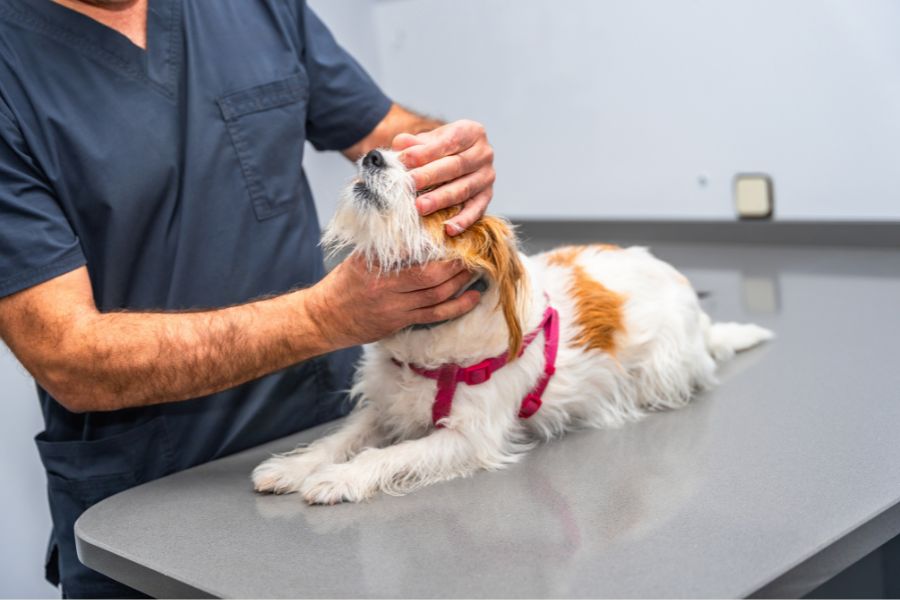
Step 2: Physical Examination
The veterinarian will:
- Check eyes, ears, and teeth
- Listen to the heart and lungs
- Feel the abdomen
- Examine skin and coat
- Assess joints and movement
This exam builds a complete health profile.
Step 3: Vaccines and Preventive Care
Based on age and lifestyle, your pet may receive vaccines. The veterinarian will explain what each vaccine protects against and why it matters.
You will also discuss parasite prevention, heartworm testing (for dogs), and flea control.
This is a good time to ask how ongoing veterinary care will be structured over the next year.
How to Reduce Stress Before the Visit
Some pets walk into the clinic confidently. Others do not. Preparation helps both types.
- Practice Handling at Home
Gently touch your pet’s paws, ears, and mouth for short periods. Offer treats after each session. This makes the physical exam feel less unfamiliar.
- Get Them Used to the Carrier
For cats, leave the carrier open in your home days before the visit. Place treats or toys inside. Make it part of their environment, rather than something that appears only before car rides.
- Keep Your Energy Calm
Pets read your emotions. If you stay relaxed, your pet is more likely to feel safe.
Questions to Ask During the Appointment
A first visit is your chance to gather reliable information. Consider asking:
- What food do you recommend for my pet’s age and size?
- How much exercise is appropriate?
- What signs of illness should I watch for?
- When should we schedule the next visit?
- What preventive treatments are most important in our local area?
Take notes. Clear information helps you make better decisions at home.
Understanding Costs and Planning Ahead
Transparency matters. Ask for a breakdown of expected costs for vaccines, testing, and preventive products. Many clinics provide printed estimates.
Planning avoids surprises. It also helps you budget for routine visits, which are a key part of consistent veterinary care throughout your pet’s life.
After the Appointment: What Comes Next?
The first visit is only the beginning.
- Monitor Your Pet
Mild sleepiness after vaccines can happen. Contact the clinic if you notice swelling, vomiting, or unusual behavior.
- Follow the Care Plan
Mark follow-up vaccine dates on your calendar. Set reminders for monthly parasite prevention.
- Build a Routine
Regular checkups, balanced nutrition, exercise, and dental care form the foundation of long-term health.
Common Mistakes to Avoid
Even caring owners sometimes overlook small details. Avoid these common issues:
- Skipping early visits because your pet “seems fine.”
- Forgetting to bring medical records
- Arriving late and feeling rushed
- Ignoring recommended follow-up appointments
Consistency supports better outcomes and builds trust between you, your pet, and the medical team.
Conclusion: Start Strong for a Lifetime of Health
Your pet’s first vet appointment is not just a box to check. It is the beginning of a long-term health partnership. When you prepare in advance, ask clear questions, and follow through on recommendations, you give your pet the best possible start.
Every dog and cat deserves consistent, thoughtful veterinary care. Taking that first step builds confidence for both of you.
If you are welcoming a new pet into your home and you are residing in St. Augustine, FL, or its surrounding areas like Ponte Vedra Beach, Jacksonville, Palm Coast, Elkton, now is the time to act. Gather your records, write down your questions, and schedule a consultation with Antigua Veterinary Practice. A simple appointment today can shape years of healthy companionship tomorrow.
FAQs About Your Pet’s First Vet Visit
1. How long does the first appointment usually take?
Ans: Most first visits last 30 to 60 minutes. Extra time may be needed for vaccines or diagnostic tests.
2. Should I feed my pet before the visit?
Ans: Yes, unless the clinic tells you otherwise. A small meal is fine. Bring treats for positive reinforcement.
3. What if my pet is scared?
Ans: Fear is common. Use a secure carrier or leash, bring comfort items, and stay calm. Let the clinic know ahead of time if your pet has anxiety.
4. Are vaccines required at the first visit?
Ans: It depends on age and health history. The veterinarian will create a schedule that fits your pet’s needs.
5. How often will my pet need checkups?
Ans: Puppies and kittens need multiple visits during their first year. Adult pets typically need annual exams, though senior pets may need more frequent visits.
6. What should I do if I cannot afford all services at once?
Ans: Speak openly with the clinic. They can help prioritize essential services and discuss payment options.