195 San Marco Ave
St. Augustine, FL 32084
Pet-Friendly Halloween Treats: What Dogs and Cats Can Safely Enjoy

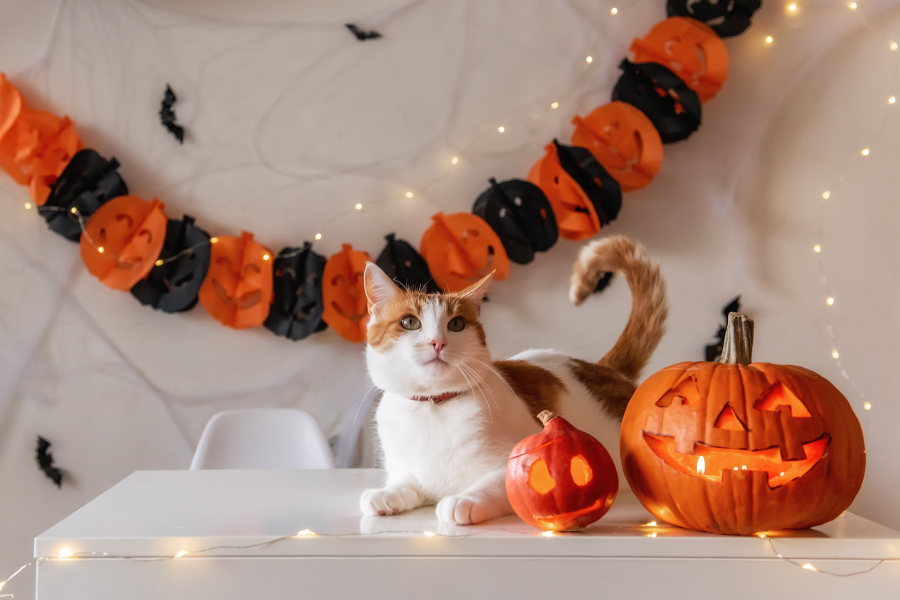
Halloween often brings candy bowls, festive snacks, and plenty of tempting smells into the home. While your dog may watch every bite you take and your cat may investigate treats left on the counter, many seasonal foods are not suitable for pets. Some ingredients can be harmful, and even ordinary foods can upset a sensitive stomach when offered in the wrong amount. The good news is that your pet can still enjoy a special Halloween treat without sharing unsafe candy. Antigua Veterinary Practice in St. Augustine, FL, encourages pet owners to plan ahead, choose suitable treats, and keep risky foods out of reach. This guide explains safer options for dogs and cats, which ingredients to avoid, and what to do if your pet eats something unsafe.
What Halloween Treats Can Dogs and Cats Safely Eat?
Dogs and cats can enjoy certain pet-safe treats during Halloween, provided the ingredients are suitable for their species and the portions are small. Commercial treats made for your pet are often the simplest option. You can also offer small portions of familiar, plain foods that are safe for your pet, as long as they do not contain harmful seasonings or added ingredients.
A treat should be an occasional extra, not a replacement for your pet’s regular balanced food. Introduce unfamiliar foods in small amounts and watch for vomiting, diarrhea, itching, or other changes. Pets with food sensitivities or health conditions may need a more limited selection, so ask your veterinarian if you are unsure.
Some options to consider include:
- Dog-specific treats: Choose treats suited to your dog’s size and chewing habits.
- Cat-specific treats: Use products made for cats, with a texture and size that are easy for your cat to manage.
- Plain cooked pumpkin: Small amounts of plain pumpkin without added sugar, spices, or pie filling may be suitable for some dogs and cats.
- Small pieces of plain cooked chicken: Offer only unseasoned meat without bones, skin, sauces, or added fat.
- A small portion of your pet’s usual food: Serving a familiar food in a festive bowl can make the occasion special without introducing a new ingredient.
Avoid giving a new food if you do not know whether its ingredients are safe. A treat does not need to be sweet or colorful to make Halloween enjoyable for your pet.
Which Halloween Foods Should Pets Avoid?
Many Halloween foods are designed for people, not animals. Candy, baked goods, and party snacks may contain ingredients that are unsafe for pets or may cause digestive upset. Keep these foods in closed containers and remind family members and guests not to share them.
Important foods and ingredients to avoid include:
- Chocolate: It contains substances that can be toxic to dogs and cats. The risk depends on the type and amount eaten and the pet’s size.
- Sugar-free sweets: Some may contain xylitol, an ingredient that can be extremely dangerous to dogs.
- Candy and wrappers: Swallowed candy can cause problems, while wrappers may pose choking or intestinal blockage risks.
- Raisins and grapes: These can cause serious kidney problems in dogs.
- Alcohol: Even small amounts can be harmful to pets.
- Macadamia nuts: These can cause illness in dogs.
- Rich, fatty foods: These may cause digestive upset and, in some cases, more serious problems.
- Foods containing onions or garlic: These ingredients can be harmful to dogs and cats.
Do not assume a tiny amount is safe. The risk depends on the ingredient, quantity, and your pet’s size and health. If your pet eats a potentially toxic food, contact a veterinarian promptly and provide the product packaging or ingredient list if available.
Do not induce vomiting or give home remedies unless a veterinarian specifically instructs you to do so.
Are Pumpkin and Other Fall Foods Safe for Pets?
Plain pumpkin can be a suitable occasional treat for some dogs and cats. It should not contain sugar, spices, butter, or other additions. Pumpkin pie filling is different from plain pumpkin and may contain ingredients that are unsuitable for pets.
Other fall foods need careful consideration, too. Plain, cooked vegetables may be suitable in small portions, but recipes often include butter, salt, onion, garlic, sauces, or seasonings. Those additions can make an otherwise simple food inappropriate for your pet.
Keep these guidelines in mind:
- Offer only plain foods with ingredients you know are safe.
- Remove bones, pits, seeds that are unsafe, and hard pieces that could cause choking.
- Cut suitable foods into small, manageable portions.
- Avoid greasy, salty, spicy, or heavily seasoned leftovers.
- Introduce new foods gradually rather than giving several new items at once.
Cats are obligate carnivores, which means they need nutrients found in animal-based foods to meet their dietary needs. A small taste of a suitable food may be fine for some cats, but vegetables and fruit should not replace a complete cat diet.
If your pet has a history of digestive problems, food sensitivities, or a medical condition requiring a specific diet, check with your veterinarian before adding new treats.
How Much Halloween Treat Food Is Too Much?
Even safe foods can cause problems if pets eat too much. Extra treats add calories and may upset the digestive system, particularly if your pet is not used to the food. Large pieces can also create choking risks, especially for small pets or animals that swallow food quickly.
Keep portions small and treat your pet’s usual food as the main source of nutrition. Treats should not regularly replace meals or make up a large part of the daily diet. If you are using packaged treats, follow the feeding guidance on the label and adjust for your pet’s size and overall diet.
When offering a new food:
- Start with a very small amount.
- Watch for changes in stool, appetite, or behavior.
- Avoid adding several unfamiliar foods at the same time.
- Stop offering the food if your pet develops a reaction.
- Contact a veterinarian if symptoms are persistent, severe, or concerning.
A pet that eats a large amount of rich food may develop vomiting or diarrhea. Repeated vomiting, abdominal pain, severe weakness, or blood in the stool warrants prompt veterinary attention.
A hypothetical case example
Imagine a dog watching a family prepare Halloween snacks. Instead of sharing candy, the owner gives the dog a small, familiar dog treat and keeps the candy bowl on a high shelf behind a closed door. Later, the owner notices that a guest has left a candy wrapper on the floor and removes it before the dog can chew it.
This hypothetical example shows how simple choices can make the holiday safer. Giving your pet a suitable treat and keeping human snacks secured helps reduce the temptation to steal food or packaging.
What Are Safe Ways to Make Halloween Treats Special?
You do not need elaborate recipes to make Halloween enjoyable for your pet. A familiar treat, a small food puzzle, or a few minutes of calm play may be more rewarding than a new snack. The safest option depends on your pet’s age, chewing habits, dietary needs, and comfort level.
Try these ideas:
- Use a pet-safe treat: Choose a product designed for your pet’s species and size.
- Create a simple treat activity: Hide a few pieces of your pet’s usual treats in a suitable puzzle toy.
- Serve a small portion of familiar food: A new bowl or festive feeding mat can make an ordinary meal feel special.
- Keep the activity supervised: Watch for chewing, swallowing, or attempts to eat non-food decorations.
- Make treats part of a calm routine: Offer them away from the front door and busy visitor areas if your pet gets nervous.
Avoid using candy, chocolate, sugary icing, or human dessert recipes unless a veterinarian has confirmed that every ingredient is appropriate. Many recipes include multiple ingredients, making it harder to assess safety.
Be mindful of chew toys and food puzzles, too. Choose a size and design suitable for your pet, and remove any item that breaks apart or becomes small enough to swallow.
How Can You Keep Halloween Candy Away From Pets?
Prevention is often easier than responding after a pet has eaten something unsafe. Dogs may sniff out candy bags and trash cans, while cats may jump onto counters or bat small items onto the floor. Keep food and packaging secure throughout the evening, not just while guests are present.
Follow these precautions:
- Store candy in closed cupboards or secure containers.
- Keep trick-or-treat bags behind a closed door or in a place pets cannot reach.
- Ask children to put wrappers directly into a covered trash can.
- Clear tables and counters after parties.
- Remind guests not to feed pets from their plates.
- Check floors and furniture for dropped sweets and wrappers.
- Keep sugar-free gum, candy, and other potentially toxic products securely stored.
- Provide a quiet room for pets if the household becomes busy.
If your pet is likely to investigate food, keep them supervised or settled in a comfortable, secure area while candy is being sorted. Make sure the room has familiar bedding and water, and avoid leaving food or wrappers where your pet can reach them.
What Should You Do If Your Pet Eats an Unsafe Halloween Treat?
If your pet eats candy or another food that may be harmful, contact a veterinarian promptly. Do not wait for symptoms, especially if the food may contain chocolate, xylitol, grapes, raisins, or another potentially toxic ingredient.
When you call, try to provide:
- Your pet’s species, approximate weight, and age
- The name of the food or product
- The ingredients, if listed
- How much your pet may have eaten
- When the incident happened
- Any symptoms you have noticed
Keep the wrapper or packaging available so the veterinarian can review the ingredients. Do not induce vomiting or give milk, oil, or other home remedies unless a veterinary professional specifically directs you to do so.
Watch for vomiting, diarrhea, restlessness, unusual weakness, tremors, or changes in behavior. If your pet has difficulty breathing, collapses, has seizures, or becomes severely weak, seek urgent veterinary care immediately.
Even if your pet appears normal after eating a potentially toxic item, contact a veterinarian. Some problems take time to become obvious, and early guidance can help determine the safest next step.
When Should You Contact a Veterinarian?
Contact a veterinarian if your pet eats a potentially toxic food, swallows a wrapper, or develops unusual symptoms after eating a treat. Repeated vomiting, persistent diarrhea, loss of appetite, abdominal pain, or unusual tiredness can indicate a problem that needs assessment.
Seek urgent veterinary care for difficulty breathing, collapse, seizures, severe weakness, or suspected ingestion of a dangerous substance. Do not wait for symptoms to worsen before seeking advice.
For routine treatment questions, your veterinarian can help you choose suitable options based on your pet’s age, size, health, and dietary needs. This is particularly helpful if your pet has a sensitive stomach, needs a special diet, or takes medication.
Antigua Veterinary Practice in St. Augustine, FL, can provide guidance about your pet’s care needs. If your pet eats something unsafe, explain what was eaten, how much, and when it happened so the veterinary team can help you decide what to do next.
Conclusion
Halloween treats can be part of a fun celebration for dogs and cats when you choose suitable foods and keep human candy out of reach. Pet-specific treats and small portions of familiar, plain foods are often safer choices than sweets or rich party snacks. Always check ingredients, introduce unfamiliar foods carefully, and remember that even safe treats can cause problems in large amounts. If your pet eats chocolate, sugar-free candy, grapes, raisins, or another potentially harmful food, contact a veterinarian promptly rather than waiting for symptoms. Antigua Veterinary Practice in St. Augustine, FL, encourages pet owners to plan ahead and keep treats, wrappers, and party foods secure. A little preparation can help your pet enjoy Halloween more safely.
Frequently Asked Questions
Q1: What Halloween treats can dogs safely eat?
A: Dogs can enjoy suitable dog treats and small portions of certain plain foods, such as unseasoned cooked chicken or plain pumpkin. Avoid chocolate, sugar-free sweets containing xylitol, grapes, raisins, and heavily seasoned foods. If you are unsure about an ingredient, ask your veterinarian before offering it.
Q2: Can cats eat pumpkin as a Halloween treat?
A: Some cats can have a small amount of plain pumpkin without added sugar, spices, or pie filling. It should only be an occasional extra and should not replace a balanced cat food. Check with your veterinarian if your cat has a health condition or dietary restriction.
Q3: Why is chocolate dangerous for pets?
A: Chocolate contains substances that can be toxic to dogs and cats. The risk depends on the type and amount eaten and the pet’s size. Contact a veterinarian promptly if your pet eats chocolate, and keep the packaging available.
Q4: What should I do if my pet eats sugar-free Halloween candy?
A: Check the packaging for the ingredients and contact a veterinarian immediately, especially if the candy may contain xylitol. Do not wait for symptoms or try to induce vomiting unless a veterinarian specifically instructs you to do so.
Q5: Can Antigua Veterinary Practice help me choose safe treats for my pet?
A: Yes. Contact Antigua Veterinary Practice to discuss suitable treats for your pet’s age, size, health, and dietary needs. If your pet has already eaten a potentially harmful food, provide the product name, ingredients, estimated amount, and time of ingestion when seeking advice.