195 San Marco Ave
St. Augustine, FL 32084
What Do Veterinarians Check When a Pet Has a Persistent Fever?

When your dog or cat feels unusually warm, seems tired, or stops eating as usual, it is natural to worry about what might be wrong. A fever can develop when the body responds to an infection, inflammation, or another health problem. If the fever continues or returns, your veterinarian may recommend further testing to identify the cause. A persistent fever in pets needs careful evaluation because the temperature alone cannot tell you which condition is responsible. Antigua Veterinary Hospital in St. Augustine, FL, encourages pet owners to pay attention to changes in appetite, energy, and behavior, especially when several symptoms appear together. Understanding what veterinarians check can help you know what to expect and when your pet needs medical attention.
What Do Veterinarians Check When a Pet Has a Persistent Fever?
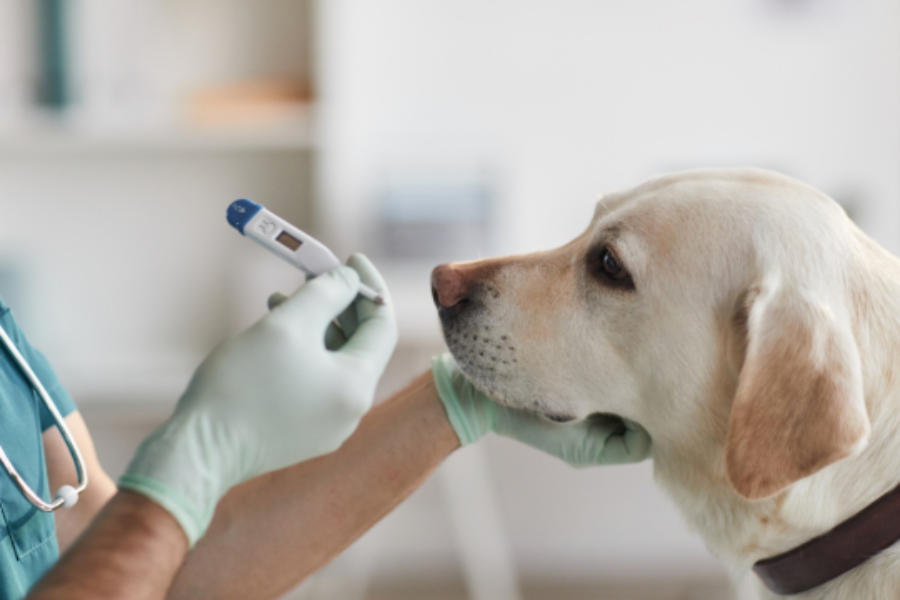
When a pet has a persistent fever, veterinarians first confirm the temperature and perform a physical examination. They may then recommend bloodwork, urine testing, imaging, or other tests based on the pet’s symptoms and medical history. These checks help identify possible infections, inflammation, organ problems, or other conditions that may explain the fever.
A fever is generally defined as a body temperature above the normal range because the body has adjusted its internal temperature setting. Dogs and cats normally have higher body temperatures than people, so touching your pet’s nose or ears is not a reliable way to confirm a fever.
During the examination, the veterinarian may assess:
- Temperature: Confirms whether the pet has a fever and helps determine how closely the condition needs to be monitored.
- Hydration: Checks for signs that the pet may not be drinking enough or is losing fluids.
- Heart and breathing rates: Changes can provide clues about pain, stress, inflammation, or illness.
- Mouth, eyes, and skin: May reveal pale gums, unusual discharge, sores, or other abnormalities.
- Abdomen and lymph nodes: Help identify tenderness, enlargement, or other changes that need investigation.
- Pain and movement: The veterinarian may check for joint pain, muscle discomfort, or difficulty walking.
The veterinarian will also ask when the symptoms began, whether the fever has been measured before, and whether your pet has been eating, drinking, urinating, and passing stool normally. These details help determine which tests are most likely to be useful.
What Can Cause a Fever That Does Not Go Away?
A persistent fever can have several causes, and the possibilities vary with the pet’s age, health, symptoms, and history. Infections are one possibility, but fever can also occur with inflammation, immune system conditions, tissue injury, and some other diseases.
Potential causes include:
Infections: Bacterial, viral, fungal, and other infections can cause fever. Depending on the condition, the infection may affect the respiratory system, urinary tract, skin, abdomen, or another part of the body.
Inflammation: Some conditions cause inflammation without an easily identified infection. The veterinarian may need additional testing to determine which tissues or organs are involved.
Immune system disorders: In some cases, the immune system reacts in a way that causes inflammation and fever. These conditions may require specialized testing to identify.
Injuries or tissue damage: Certain injuries and inflammatory processes can lead to an elevated temperature, particularly when complications develop.
Other underlying diseases: Some illnesses affecting the body’s organs or blood can cause fever alongside changes in appetite, weight, energy, or other normal functions.
A fever does not automatically mean that antibiotics are needed. Antibiotics treat certain bacterial infections, not every cause of fever. Giving leftover medication or starting treatment without veterinary advice may delay the correct diagnosis or create additional problems.
The goal is to find the most likely cause and select tests that can confirm or narrow down the possibilities.
What Symptoms May Appear Alongside a Persistent Fever?
Fever often occurs with other signs of illness. Some pets become quiet and sleep more than usual, while others show changes in eating, drinking, or movement. Cats may hide or withdraw, and dogs may lose interest in walks or play.
Watch for these possible signs:
- Reduced appetite or refusal to eat
- Unusual tiredness or weakness
- Shivering or trembling
- Increased breathing rate
- Drinking more or less than usual
- Vomiting or diarrhea
- Coughing, sneezing, or nasal discharge
- Pain, stiffness, or reluctance to move
- Changes in urination
- Swollen areas or unusual lumps
These signs are not specific to fever, and their presence does not establish a diagnosis. However, they can help the veterinarian understand which body systems may be affected.
Contact your veterinarian promptly if your pet has a measured fever along with reduced appetite, weakness, vomiting, or other signs of illness. Seek urgent veterinary attention if your pet has difficulty breathing, collapses, has seizures, becomes unresponsive, or appears severely distressed.
Do not rely on a warm nose, dry nose, or warm ears to decide whether your pet has a fever. If you suspect a temperature problem, a veterinary professional can measure the temperature safely and determine what needs to happen next.
Which Tests Help Veterinarians Find the Cause of a Fever?
The tests recommended for a pet with a persistent fever depend on the physical examination and the symptoms present. Some pets need only a few initial tests, while others may require a broader investigation if the cause remains unclear.
Common diagnostic options include:
Complete blood count (CBC): This test measures different types of blood cells. Changes in white blood cells may provide clues about infection or inflammation, while red blood cell and platelet measurements can reveal other concerns.
Blood chemistry panel: This evaluates substances in the blood that provide information about organs such as the kidneys and liver. It can also help identify changes in electrolytes and other body functions.
Urinalysis: A urine sample can provide clues about urinary tract problems, hydration, and kidney-related concerns. A urine culture may be recommended if a bacterial infection is suspected.
Imaging: X-rays or ultrasound may help identify changes in the chest, abdomen, or other areas when the examination suggests a problem that imaging can assess.
Targeted infectious disease testing: Depending on the pet’s symptoms and exposure history, the veterinarian may recommend tests for particular infectious causes.
Additional testing: If initial results do not explain the fever, the veterinarian may recommend further blood tests, samples from affected tissues, or other procedures.
Not every pet needs every test. The veterinary team uses the examination and initial results to choose the next steps. This approach can help avoid unnecessary testing while still investigating important possibilities.
Hypothetical case example
A dog named Rocky becomes unusually tired, refuses his usual meals, and develops a fever that persists into the next day. His veterinarian performs a physical examination and recommends bloodwork and a urine test based on Rocky’s symptoms. The initial findings suggest that more investigation is needed, so the veterinarian recommends targeted follow-up testing rather than assuming the fever has one specific cause.
Rocky’s example shows why persistent fever often requires a step-by-step approach. The first tests help narrow the possibilities, while further findings guide the diagnosis and treatment plan.
How Is a Persistent Fever Treated in Dogs and Cats?
Treatment depends on the underlying cause, not just the temperature. A pet with a bacterial infection may need a different approach from one with an inflammatory condition, an injury, or another illness. The veterinarian will use the examination and test results to decide which treatment is appropriate.
Depending on the diagnosis, care may include:
- Treatment for the underlying condition: This may involve medication or another targeted treatment based on the cause.
- Fluids: Some pets need fluid support if they are dehydrated or unable to drink enough.
- Symptom management: The veterinarian may recommend treatment to control pain, nausea, or other signs when appropriate.
- Monitoring: Temperature, appetite, hydration, and activity may need to be checked over time.
- Follow-up testing: Repeat bloodwork or other tests may help determine whether the pet is improving.
Never give your pet human fever reducers or pain relievers unless a veterinarian has specifically prescribed a product and provided instructions. Some common human medicines can be toxic to dogs and cats, even when the amount seems small.
Do not use cold baths, ice packs, or alcohol rubs to try to bring down a fever. These methods can cause additional problems and may not address the reason the temperature is elevated.
Follow the prescribed treatment plan and contact your veterinarian if your pet’s symptoms worsen, new signs appear, or improvement does not occur as expected. A persistent or returning fever may mean that the original cause needs further investigation or that the treatment plan requires adjustment.
What Can You Do at Home While Your Pet Recovers?
Home care can support recovery, but it should follow veterinary guidance. A pet with a persistent fever should not be managed only with home remedies because the underlying cause may need treatment.
While your pet is recovering:
- Provide access to fresh water. Encourage normal drinking, but do not force water into your pet’s mouth.
- Offer a quiet, comfortable resting area. Keep your pet away from excessive activity and allow them to rest.
- Monitor appetite and behavior. Note whether your pet is eating, drinking, urinating, and moving more normally.
- Follow medication instructions. Give prescribed treatments exactly as directed and contact the clinic if you have concerns.
- Record changes. Write down new symptoms, changes in energy, and any measured temperatures taken according to your veterinarian’s instructions.
- Attend follow-up appointments. Repeat examinations or tests may be needed to confirm that the problem is improving.
If your pet is not eating, is repeatedly vomiting, or seems weaker than before, contact your veterinarian rather than continuing home care without advice. Cats in particular can become unwell when they go without food for too long.
Avoid taking your pet’s temperature repeatedly if you are not comfortable doing so safely. Ask your veterinary team to demonstrate the appropriate method if home monitoring is recommended.
When Is a Persistent Fever a Veterinary Concern?
A fever that continues, returns, or occurs with other signs of illness deserves veterinary attention. Your veterinarian can determine whether your pet needs an examination, diagnostic testing, treatment, or closer monitoring.
Contact a veterinary clinic promptly if your pet has a measured fever and is unusually tired, eating poorly, vomiting, or showing other changes in normal behavior. Do not wait several days for symptoms to resolve if your pet appears unwell.
Seek immediate veterinary attention if your pet:
- Has difficulty breathing
- Collapses or cannot stand
- Has seizures or becomes unresponsive
- Shows severe weakness or confusion
- Appears to be in significant pain
- Has a very high measured temperature or signs of heat-related illness
A fever caused by overheating is different from a fever associated with illness. If your pet has been exposed to extreme heat and is panting heavily, drooling excessively, vomiting, or becoming weak, treat the situation as urgent and seek veterinary help immediately.
Avoid trying to diagnose the cause based on temperature alone. A veterinarian can consider the full picture and decide which tests or treatments are needed. Early assessment can help identify serious problems and prevent delays in care.
Helping Your Pet Recover From a Persistent Fever
A persistent fever is a sign that something may be wrong, but it does not point to one specific disease. Veterinarians begin by confirming the temperature, examining the pet, and reviewing the symptoms and medical history. Bloodwork, urine testing, imaging, or other diagnostic procedures may then help identify the cause. Treatment is based on those findings, with follow-up care used to track recovery.
At Antigua Veterinary Hospital in St. Augustine, FL, your veterinary team can assess your pet’s symptoms and explain which tests may be appropriate. If your pet has a fever that continues or returns, or seems unwell alongside an elevated temperature, contact a veterinarian in St. Augustine promptly. Avoid human medications and home cooling remedies unless specifically directed by a veterinary professional. Timely care can help your pet receive the right treatment and support a safer recovery.
Frequently Asked Questions
Q1: How do I know if my dog or cat has a fever?
A: A measured temperature is the most reliable way to confirm a fever. A warm nose or ears alone cannot tell you whether your pet’s temperature is elevated. If your pet seems unwell, a veterinarian can check the temperature and assess other symptoms.
Q2: What can cause a persistent fever in pets?
A: Possible causes include infections, inflammation, immune system conditions, injuries, and other underlying diseases. The cause cannot be determined from temperature alone, so a veterinarian may recommend bloodwork, urine testing, imaging, or other tests.
Q3: What tests might a veterinarian perform for a pet with a fever?
A: Testing may include a complete blood count, blood chemistry panel, urinalysis, urine culture, imaging, or targeted tests for certain infections. The recommended tests depend on the pet’s symptoms, examination findings, and medical history.
Q4: Can I give my pet human fever medicine?
A: Do not give human fever reducers or pain relievers unless a veterinarian has specifically prescribed a product and provided instructions. Some human medicines can be toxic to pets. Contact a veterinarian for advice on safe treatment.
Q5: When should I take my pet to the vet for a persistent fever?
A: Contact a veterinarian promptly if a fever continues or occurs with poor appetite, weakness, vomiting, or other signs of illness. Difficulty breathing, collapse, seizures, or unresponsiveness require immediate veterinary attention. Antigua Veterinary Hospital can help assess your pet and advise you on appropriate next steps.