195 San Marco Ave
St. Augustine, FL 32084
How Much Water Should My Pet Drink in Summer? A Vet’s Guide to Hydration

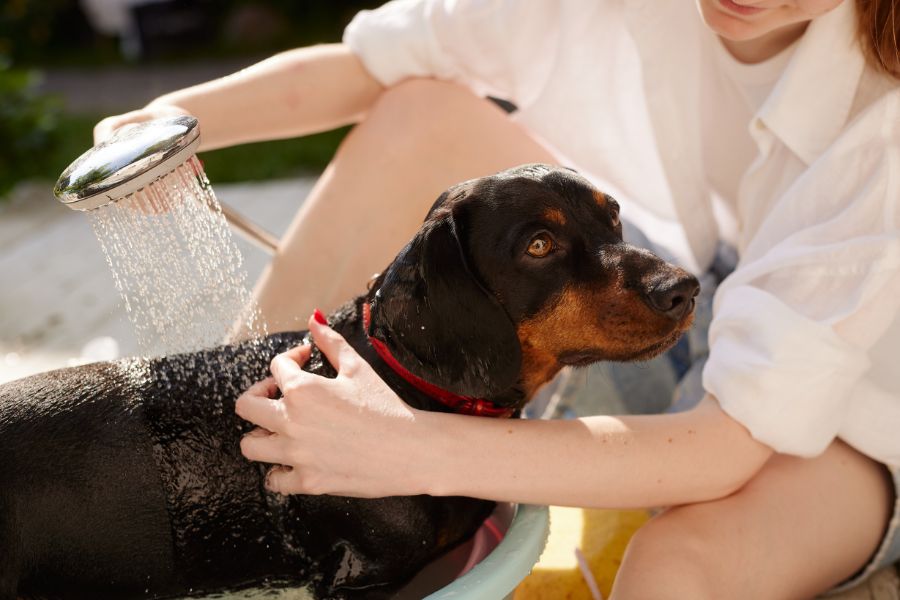
Summer heat can increase your pet’s risk of dehydration, heat exhaustion, and other serious health problems. Knowing how much water your pet should drink and recognizing the signs of dehydration can help keep them healthy and comfortable during the hottest months of the year.
In this guide, we’ll explain how much water your pet should drink in summer, the factors that affect hydration needs, warning signs of dehydration, and practical tips to encourage your pet to drink more water. Whether you have a playful puppy, an active adult dog, or an indoor cat, proper hydration is essential for their overall well-being.
Why Hydration Matters for Pets During Summer?
Water is vital for every function in your pet’s body. It helps regulate body temperature, supports digestion, transports nutrients, and keeps joints lubricated.
During summer, pets lose more fluids through:
- Panting
- Increased activity
- Exposure to heat and humidity
- Time spent outdoors
- Illness or digestive upset
Without adequate water intake, pets can quickly become dehydrated, leading to serious health complications.
How Much Water Should My Pet Drink in Summer?
A common guideline is that healthy dogs and cats should drink approximately one ounce of water per pound of body weight each day.
For example:
| Pet Weight | Daily Water Intake |
|---|---|
| 10 pounds | About 10 ounces |
| 20 pounds | About 20 ounces |
| 50 pounds | About 50 ounces |
| 75 pounds | About 75 ounces |
However, summer conditions often increase hydration requirements. Many pets may need more water if they:
- Spend time outdoors
- Exercise frequently
- Eat dry kibble
- Live in hot or humid climates
- Are pregnant or nursing
Water Needs for Dogs
Dogs generally require more water during summer because they cool themselves primarily through panting.
A dog that enjoys:
- Long walks
- Outdoor play
- Hiking adventures
- Dog park visits
may need significantly more water than the standard recommendation.
Always carry fresh water when exercising your dog outdoors.
Water Needs for Cats
Cats naturally have a lower thirst drive than dogs, making them more vulnerable to dehydration.
Cats that eat primarily dry food often need additional encouragement to drink water. Adding moisture-rich canned food can help increase their overall fluid intake.
Factors That Affect Your Pet’s Water Consumption
Every pet is unique, and several factors influence how much water they need.
Age
Puppies and kittens may become dehydrated faster because of their high energy levels. Senior pets may also require close monitoring, especially if they have underlying health conditions.
Diet
Pets eating wet food receive some hydration from their meals, while pets eating only dry kibble rely heavily on drinking water.
Activity Level
Active pets lose more fluids through panting and physical exertion.
Weather Conditions
Hot temperatures and high humidity increase water loss and can rapidly lead to dehydration.
Medical Conditions
Certain health issues can affect water intake, including:
- Kidney disease
- Diabetes
- Cushing’s disease
- Gastrointestinal illnesses
- Fever
If you notice sudden changes in your pet’s drinking habits, contact your veterinarian.
Signs Your Pet May Be Dehydrated
Recognizing dehydration early can help prevent a medical emergency.
Common Signs of Dehydration in Dogs and Cats
Watch for:
- Dry or sticky gums
- Excessive panting
- Sunken eyes
- Lethargy
- Loss of appetite
- Reduced skin elasticity
- Thick saliva
- Weakness
- Dark yellow urine
The Skin Tent Test
A simple way to check hydration is the skin tent test.
- Gently lift the skin between your pet’s shoulder blades.
- Release it.
- Observe how quickly it returns to normal.
In a well-hydrated pet, the skin should snap back quickly. Slow return may indicate dehydration.
While this test can be helpful, it is not always accurate in senior pets or overweight animals. Veterinary evaluation is recommended if dehydration is suspected.
How to Encourage Your Pet to Drink More Water?
Some pets need extra encouragement to stay hydrated during summer.
Keep Multiple Water Bowls Available
Place fresh water bowls in several areas of your home and yard to make drinking convenient.
Refresh Water Frequently
Many pets prefer clean, cool water. Refill bowls throughout the day and wash them regularly.
Use Pet Water Fountains
Flowing water can attract pets, especially cats, and encourage more frequent drinking.
Add Water to Meals
You can increase hydration by:
- Mixing water into dry kibble
- Feeding canned food
- Adding low-sodium broth approved by your veterinarian
Offer Ice Cubes
Many dogs enjoy chewing ice cubes as a refreshing summer treat. Some pets also like ice added to their water bowls.
Provide Shade During Outdoor Activities
Reducing heat exposure helps minimize excessive fluid loss.
Summer Activities That Increase Hydration Needs
Pets often require extra water during:
- Beach trips
- Hiking adventures
- Long walks
- Outdoor training sessions
- Dog park visits
- Backyard playtime
For every outdoor excursion:
- Bring portable water bowls
- Offer water breaks every 15 to 20 minutes
- Avoid exercise during peak afternoon heat
- Watch closely for signs of overheating
Heat Exhaustion vs. Dehydration
Although related, dehydration and heat exhaustion are not the same condition.
Dehydration
Occurs when fluid loss exceeds intake.
Symptoms include:
- Dry gums
- Reduced energy
- Sunken eyes
- Concentrated urine
Heat Exhaustion
Occurs when the body’s cooling mechanisms cannot keep up with heat exposure.
Symptoms may include:
- Heavy panting
- Excessive drooling
- Rapid heart rate
- Vomiting
- Weakness
- Collapse
Heat exhaustion can quickly become life-threatening heatstroke and requires immediate veterinary care.
When Increased Drinking May Signal a Health Problem?
While summer often causes pets to drink more water, excessive thirst can indicate an underlying medical issue.
Contact your veterinarian if your pet:
- Suddenly drinks much more than normal
- Urinates excessively
- Experiences weight loss
- Shows changes in appetite
- Appears lethargic
Conditions such as diabetes, kidney disease, and hormonal disorders may be responsible for increased thirst.
Best Hydration Tips for Pet Owners This Summer
To keep your pet safe during hot weather:
- Always provide access to fresh, clean water
- Carry water during walks and travel
- Avoid strenuous exercise during peak heat
- Provide shade and cool resting areas
- Monitor water intake daily
- Feed moisture-rich foods when appropriate
- Learn the signs of dehydration and heat exhaustion
- Schedule routine wellness exams
Consistent hydration habits can significantly reduce the risk of summer-related health problems.
Conclusion
Understanding how much water my pet should drink in summer is one of the most important steps you can take to protect their health. While most pets need about one ounce of water per pound of body weight daily, hot weather, exercise, diet, and medical conditions can increase those requirements. Monitoring your pet’s hydration and recognizing early signs of dehydration can help prevent serious complications.
If you have concerns about your pet’s water intake or notice symptoms of dehydration, contact your St. Augustine vet at Antigua Veterinary Practice to schedule an appointment and ensure your pet stays healthy all summer long.
FAQs
Q1: How much water should a dog drink during hot weather?
Ans: Most dogs need about one ounce of water per pound of body weight daily, but active dogs and those exposed to high temperatures may require significantly more.
Q2: Can pets become dehydrated even if water is available?
Ans: Yes. Illness, excessive heat, intense exercise, or certain medical conditions can cause dehydration even when water is accessible.
Q3: How can I tell if my cat is dehydrated?
Ans: Common signs include dry gums, lethargy, sunken eyes, decreased appetite, and reduced skin elasticity.
Q4: Is it normal for pets to drink more water in summer?
Ans: Yes. Increased temperatures and activity levels typically cause pets to drink more water to replace fluids lost through panting and normal body functions.
Q5: When should I take my pet to the vet for hydration concerns?
Ans: Seek veterinary care if your pet shows signs of dehydration, refuses to drink, experiences excessive thirst, or displays symptoms such as weakness, vomiting, or collapse.