195 San Marco Ave
St. Augustine, FL 32084
Annual Pet Wellness Checklist from an Animal Hospital Near You

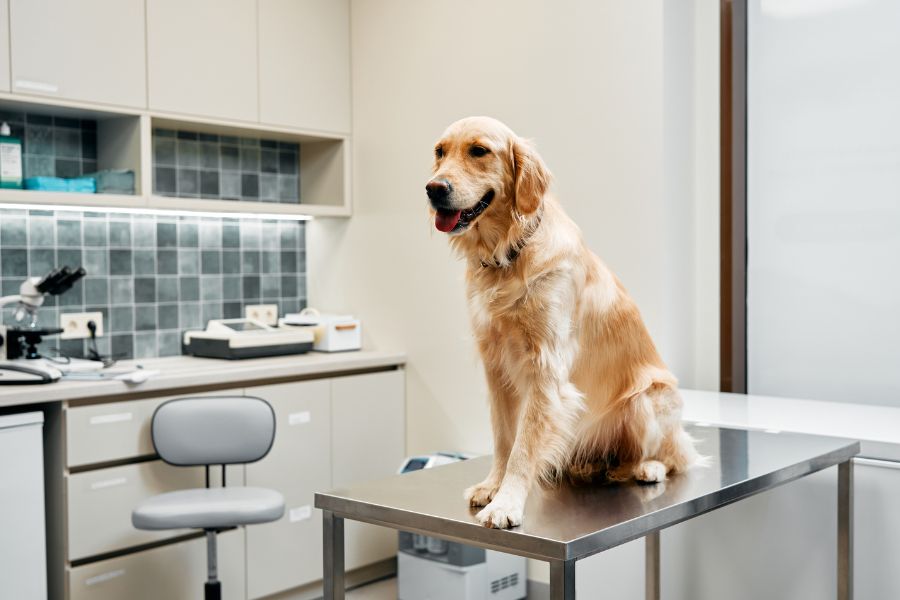
Keeping your pet healthy requires more than occasional vet visits. An animal hospital near you can help guide preventive care, but having a yearly wellness checklist ensures nothing is missed. In this guide, we’ll walk through a complete annual pet wellness checklist, covering exams, vaccinations, nutrition, and more to help your furry companion live a longer, healthier life.
Why Annual Wellness Visits Matter
Routine visits to an animal hospital near you are the foundation of preventive care. Pets age faster than humans, so even a single year can bring significant changes in their health.
Annual wellness exams help:
- Detect diseases early before symptoms appear
- Monitor weight, dental health, and mobility
- Update vaccinations and parasite prevention
- Build a medical history for better long-term care
Early detection often means simpler, more affordable treatments and a better quality of life for your pet.
Complete Physical Examination Checklist
A full-body exam is the first step during any annual visit to an animal hospital.
What your veterinarian checks:
- Eyes and ears: Signs of infection, discharge, or vision issues
- Skin and coat: Allergies, parasites, lumps, or dryness
- Heart and lungs: Abnormal sounds or breathing issues
- Weight and body condition: Obesity or sudden weight loss
- Joints and mobility: Early arthritis or stiffness
Even subtle changes can signal underlying health problems, so these exams are more important than they may seem.
Vaccination Updates and Schedule
Vaccinations protect pets from serious, often life-threatening diseases. Your vet will tailor a vaccination plan based on your pet’s age, lifestyle, and risk level.
Core vaccines for dogs:
- Rabies
- Distemper
- Parvovirus
- Adenovirus
Core vaccines for cats:
- Rabies
- Feline distemper (panleukopenia)
- Feline herpesvirus
- Calicivirus
A veterinary clinic may also recommend non-core vaccines like feline leukemia, depending on exposure risks.
Parasite Prevention Plan
Parasites are a year-round threat, even for indoor pets. Annual checkups are the perfect time to review prevention strategies.
Common parasites to watch for:
- Fleas
- Ticks
- Heartworms
- Intestinal worms
Preventive steps:
- Monthly flea and tick treatments
- Year-round heartworm prevention
- Regular fecal exams
Consistent parasite control keeps your pet comfortable and protects your household from potential health risks.
Dental Health Evaluation
Dental disease is one of the most common issues seen at any animal hospital, yet it often goes unnoticed.
Signs of dental problems:
- Bad breath
- Yellow or brown buildup on teeth
- Red or bleeding gums
- Difficulty eating
Annual dental care checklist:
- Professional dental exam
- Teeth cleaning if needed
- At-home brushing routine
- Dental chews or approved products
Healthy teeth and gums can prevent infections that may affect the heart, liver, and kidneys.
Nutrition and Weight Management
A balanced diet is essential for long-term health. During your annual visit, your vet will assess your pet’s diet and make recommendations.
Key nutrition tips:
- Feed high-quality, age-appropriate food
- Monitor portion sizes
- Avoid excessive treats
- Provide fresh water at all times
Weight management matters:
Obesity can lead to:
- Diabetes
- Joint problems
- Heart disease
A vet near you can help create a personalized nutrition plan to maintain a healthy weight.
Bloodwork and Diagnostic Testing
Annual blood tests provide a deeper look into your pet’s internal health, even when they appear normal.
Common tests include:
- Complete blood count (CBC)
- Blood chemistry panel
- Thyroid testing (especially for senior pets)
- Urinalysis
These tests help detect:
- Kidney or liver disease
- Diabetes
- Hormonal imbalances
Early detection allows for quicker treatment and better outcomes.
Senior Pet Care Considerations
As pets age, their healthcare needs change. Senior pets typically require more frequent monitoring.
Additional checks for senior pets:
- Arthritis evaluation
- Cognitive function assessment
- More frequent bloodwork
- Pain management planning
If your pet is over 7 years old, your vet may recommend biannual visits instead of yearly checkups.
Behavior and Lifestyle Assessment
Behavioral changes can often indicate health problems or stress.
Discuss with your vet:
- Changes in appetite or sleep
- Increased anxiety or aggression
- Litter box or house-training issues
- Activity level changes
Your veterinarian can help identify whether the issue is medical or behavioral and suggest appropriate solutions.
Grooming and Hygiene Routine
Proper grooming is more than just appearance. It plays a key role in overall health.
Annual grooming checklist:
- Nail trimming
- Ear cleaning
- Coat brushing
- Bathing schedule
Regular grooming helps prevent infections, matting, and skin conditions.
Emergency Preparedness and Microchipping
Unexpected situations can happen, so being prepared is essential.
Important steps:
- Ensure your pet is microchipped
- Keep ID tags updated
- Maintain a pet first aid kit
- Know the location of an emergency animal hospital near you
Microchipping greatly increases the chances of being reunited with a lost pet.
An annual wellness checklist is one of the best ways to ensure your pet stays happy and healthy year-round. From routine exams and vaccinations to dental care and nutrition, every step plays a role in preventive health. Staying proactive helps catch issues early and gives your pet the best possible quality of life.
If you’re looking for trusted, compassionate care in an animal hospital near you, then schedule your appointment with Antigua Veterinary Practice in Augustine, FL, and keep your furry companion on track for a healthy future.
FAQs
Q1: How often should I visit an animal hospital near you for my pet?
Ans: Most pets should visit at least once a year, while senior pets may need checkups every six months.
Q2: What does a wellness exam include at an animal hospital near you?
Ans: It typically includes a physical exam, vaccinations, parasite screening, and sometimes bloodwork.
Q3: Are annual vaccinations necessary for all pets?
Ans: Not all vaccines are given yearly, but your vet will recommend a schedule based on your pet’s needs.
Q4: How can I tell if my pet needs dental care?
Ans: Bad breath, gum redness, and difficulty eating are common signs that dental care is needed.
Q5: Is preventive care really worth the cost?
Ans: Yes, preventive care helps detect issues early, often saving money and avoiding serious health problems later.
Related Articles