195 San Marco Ave
St. Augustine, FL 32084
8-Week-Old Puppies and Kittens: What Can They Safely Eat?

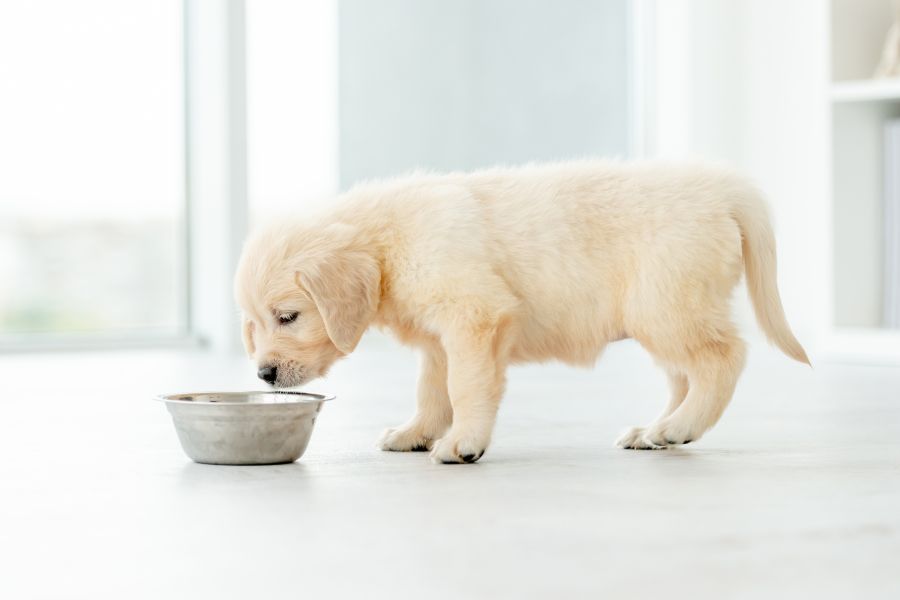
Caring for young pets can feel overwhelming, especially when it comes to feeding. At 8 weeks old, puppies and kittens are transitioning from their mother’s milk to solid food, making nutrition a critical part of healthy growth. In this guide on puppy and kitten care, you’ll learn what foods are safe, how often to feed, and how to build a strong nutritional foundation for your pet’s lifelong health.
What Do 8-Week-Old Puppies and Kittens Need Nutritionally?
At 8 weeks, both puppies and kittens are in a rapid growth phase. Their bodies require high-quality, nutrient-dense food to support bone development, brain growth, and immune health.
Key nutritional needs include:
- Protein for muscle development
- Healthy fats for energy and brain function
- Calcium and phosphorus for strong bones and teeth
- Vitamins and minerals for overall wellness
Unlike adult pets, young animals cannot thrive on generic diets. Choosing the right food is a core part of proper puppy and kitten care, as deficiencies during this stage can lead to long-term health issues.
What Can 8-Week-Old Puppies Safely Eat?
At this age, puppies are fully weaned or nearly weaned. They should no longer rely on their mother’s milk and instead eat soft, easy-to-digest solid food.
Best Food Options for Puppies
- High-quality puppy kibble (moistened with water)
- Canned puppy food
- Special puppy formula if needed for transition
If you’re feeding dry kibble, soak it in warm water for 10 to 15 minutes to soften it. This makes it easier to chew and digest.
Feeding Schedule for Puppies
A consistent schedule supports digestion and growth:
- Feed 4 meals per day
- Offer small, portion-controlled servings
- Remove uneaten food after 20 to 30 minutes
Establishing routine feeding habits early is an essential part of structured puppy and kitten care.
What Can 8-Week-Old Kittens Safely Eat?
Kittens at 8 weeks are also transitioning to solid food. Like puppies, they need nutrient-rich meals designed specifically for their life stage.
Best Food Options for Kittens
- Wet kitten food (highly recommended)
- Dry kitten kibble, softened if needed
- Combination feeding (wet and dry)
Kittens tend to prefer wet food because of its texture and smell. It also helps keep them hydrated.
Feeding Schedule for Kittens
- Feed 3 to 4 small meals daily
- Provide fresh water at all times
- Monitor appetite and weight regularly
Consistent feeding routines play a major role in effective puppy and kitten care, especially during early development.
Foods You Should Avoid Feeding Young Pets
Knowing what not to feed is just as important as knowing what’s safe. Some foods can be harmful or even toxic.
Avoid These Foods:
- Chocolate
- Onions and garlic
- Grapes and raisins
- Cow’s milk (can cause digestive upset)
- Raw meat or eggs (risk of bacteria)
- Salty or processed human foods
Young animals have sensitive digestive systems. Avoid experimenting with human food, as it can disrupt their health and growth.
How to Transition from Milk to Solid Food
The weaning process typically begins around 4 weeks and is completed by 8 weeks. However, some pets may need a gradual transition.
Steps for a Smooth Transition:
- Start with gruel, a mix of wet food and warm water
- Gradually reduce the liquid over 1 to 2 weeks
- Introduce fully solid food once chewing improves
- Monitor for digestive issues like diarrhea
This gradual approach helps avoid stress and supports better digestion, making it a key aspect of responsible puppy and kitten care.
How Much Should You Feed?
Portion sizes depend on your pet’s breed, size, and activity level. Always follow the feeding guidelines on the food label, but use them as a starting point.
General Feeding Tips:
- Do not overfeed, as it can lead to obesity
- Keep track of weight gain weekly
- Adjust portions as your pet grows
- Consult your veterinarian for personalized advice
Proper portion control ensures balanced growth without unnecessary strain on developing joints and organs.
Signs Your Puppy or Kitten Is Eating Well
Healthy eating habits are easy to spot when you know what to look for.
Positive Signs Include:
- Steady weight gain
- High energy levels
- Healthy coat and skin
- Regular bowel movements
Warning Signs to Watch:
- Loss of appetite
- Vomiting or diarrhea
- Lethargy
- Poor weight gain
If you notice any of these issues, seek veterinary advice promptly. Early intervention is critical in puppy and kitten care.
The Importance of Fresh Water
Even though young pets may still be adjusting to solid food, clean, fresh water must always be available.
Tips to encourage hydration:
- Use shallow bowls for easy access
- Clean bowls daily
- Place water near feeding areas
Hydration plays a vital role in digestion, circulation, and temperature regulation.
When to Introduce Treats
Treats can be introduced cautiously after 8 weeks, but they should never replace balanced meals.
Safe Treat Guidelines:
- Choose treats made specifically for puppies or kittens
- Keep treats under 10 percent of daily calorie intake
- Avoid hard treats that may damage teeth
Treats are useful for training but should always be given in moderation.
Common Feeding Mistakes to Avoid
Even well-meaning pet owners can make mistakes during early feeding stages.
Avoid These Common Errors:
- Feeding adult pet food too early
- Overfeeding or free-feeding without structure
- Switching foods too quickly
- Ignoring feeding guidelines
Consistency and proper planning are key to successful puppy and kitten care.
Feeding your 8-week-old puppy or kitten the right way sets the foundation for a lifetime of good health. Focus on high-quality, age-appropriate food, maintain a consistent feeding schedule, and avoid harmful ingredients. By paying attention to your pet’s nutritional needs, you can support healthy growth and development during this critical stage.
If you need personalized feeding advice or a health check for your new pet, schedule a visit with Antigua Veterinary Practice in St. Augustine, FL, today. Your pet deserves the best start in life.
FAQs:
Q1: What should I feed my 8-week-old puppy for the first time?
Ans: Start with softened puppy kibble or canned puppy food, making sure it is easy to chew and digest.
Q2: Can 8-week-old kittens drink regular milk?
Ans: No, cow’s milk can cause stomach upset. Stick to kitten-specific food and fresh water.
Q3: How often should I feed my puppy and kitten at 8 weeks?
Ans: Puppies need 4 meals daily, while kittens typically need 3 to 4 small meals per day.
Q4: Is wet or dry food better for kittens?
Ans: Wet food is often preferred for hydration and taste, but a mix of both can provide balanced nutrition.
Q5: When can I stop softening my puppy’s food?
Ans: Once your puppy can comfortably chew dry kibble, usually around 10 to 12 weeks, you can stop softening it.