195 San Marco Ave
St. Augustine, FL 32084
What Is Blood Work for Pets and Why Does Your Vet Recommend It

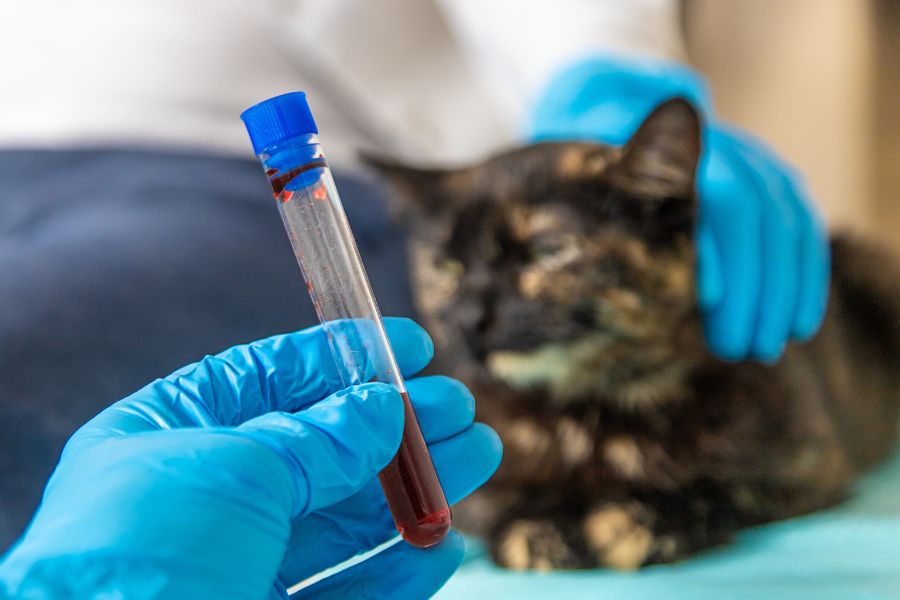
Your pet can look perfectly healthy on the outside and still have something going on beneath the surface that needs attention. That is one of the most important reasons veterinarians recommend blood work for pets as part of routine care. At Antigua Veterinary Practice in St. Augustine, FL, our team uses pet blood panels to get a clear picture of what is happening inside your dog or cat, from organ function to immune health, before symptoms even have a chance to show up.
In this article, you will learn exactly what a veterinary blood test checks for, how results guide treatment decisions, what the process looks like at our clinic, and when your vet is most likely to recommend it.
What Is Blood Work for Pets?
Blood work is a broad term for laboratory tests that analyze a sample of your pet’s blood to evaluate organ function, cell counts, and chemical balances throughout the body. Think of it as a behind-the-scenes look at how your pet is actually functioning, not just how they appear during a physical exam.
There are two main types of blood panels your vet may order:
• Complete Blood Count (CBC): This test measures the number and condition of red blood cells, white blood cells, and platelets. It helps identify anemia, infection, inflammation, and clotting problems.
• Blood Chemistry Panel: This test evaluates organ function by measuring enzymes, proteins, glucose, and electrolytes. It gives your vet a detailed look at the liver, kidneys, pancreas, and thyroid.
Both tests are often run together, especially during annual wellness visits or before surgical procedures, to give your veterinarian the most complete picture possible.
Why Do Vets Recommend Routine Blood Work?
Pets age faster than people do, and they cannot tell you when something feels off. A dog that greets you at the door with a wagging tail could still be quietly dealing with early kidney stress or a thyroid imbalance. That is why annual blood work for pets is one of the most valuable tools in preventive care.
Regular pet wellness screening allows your vet to:
• Establish a personal baseline for your pet so future results can be compared over time.
• Catch developing conditions, like kidney disease or diabetes, before they become harder to manage.
• Confirm that long-term medications are not putting strain on the liver or kidneys.
• Clear your pet for anesthesia before a dental cleaning or surgical procedure.
• Investigate unexplained symptoms like weight loss, excessive thirst, or fatigue.
For senior pets, most vets recommend blood panels every six months. Younger, healthy animals typically benefit from annual testing alongside their regular checkup.
What Can Blood Work Detect in Dogs and Cats?
Organ Health
A blood chemistry panel for pets measures liver enzymes (ALT and ALP), kidney markers (BUN and creatinine), and pancreatic indicators. Elevated liver enzymes, for example, could point to inflammation, a toxin exposure, or early liver disease. Catching these elevations early often means more treatment options and a better outcome.
Blood Cell Abnormalities
A complete blood count, or CBC, checks red and white blood cell levels. Low red blood cells may indicate anemia, which can be caused by parasites, poor nutrition, or underlying disease. Elevated white blood cells often signal infection or inflammation somewhere in the body, even when no obvious symptoms are present.
Metabolic and Hormonal Conditions
Blood glucose levels help screen for diabetes, a common condition in both dogs and cats. Thyroid panels, often added to a standard screen for older cats, detect hypothyroidism in dogs and hyperthyroidism in cats. Left unmanaged, both can seriously affect quality of life.
Pre-Surgical Safety
Before any procedure involving anesthesia, a veterinary blood test confirms that your pet’s body can safely process the medication. It is a routine precaution that significantly reduces risk, even in animals that appear outwardly healthy.
What to Expect During Blood Work at Our Clinic?
The process is straightforward and typically takes only a few minutes. A small blood sample is drawn, usually from a vein in the neck or front leg, depending on the size and cooperation of your pet. Most dogs and cats tolerate the draw well, especially when handled by an experienced team.
In many cases, results from an in-house analyzer are available the same day. For more specialized panels, samples are sent to an outside laboratory, and results typically return within 24 to 48 hours.
Your vet will walk you through the results and explain what each value means for your specific pet. Numbers that fall slightly outside the normal range are not always cause for concern. Context matters, including your pet’s age, breed, weight, and recent activity.
How to Know If Your Pet Needs Blood Work Now?
Annual routine blood work for dogs and cats is a good baseline for most healthy pets. But there are specific situations where your vet may recommend running a panel sooner:
• Your pet is showing unexplained symptoms such as vomiting, increased thirst, sudden weight loss, or unusual tiredness.
• Your pet is starting a new long-term medication and needs a baseline before treatment begins.
• Your pet is over seven years old and has not had a recent panel run.
• A scheduled procedure requires pre-anesthetic clearance.
• A previous test showed a borderline result that needs to be monitored.
If you are unsure whether your pet is due, it is always worth asking at the next visit. Your vet can pull up prior results and quickly assess whether a new panel is warranted.
Why Pet Owners in St. Augustine Trust Our Team?
At Antigua Veterinary Practice, blood work is not a box to check. It is a conversation. When results come in, our team takes time to explain what each number means, how it fits with your pet’s overall health picture, and what, if anything, needs to happen next.
We use in-house diagnostics for fast turnaround and partner with trusted reference laboratories for advanced panels. Whether your pet needs a simple wellness screen or a more detailed investigation, we have the tools and the team to get it done well.
Our approach is built around long-term relationships with both patients and the people who love them. Knowing your pet’s history over the years, not just during a single visit, makes it easier to spot meaningful changes and act on them early.
The Bottom Line
Routine blood work for pets is one of the simplest and most effective ways to stay ahead of health problems before they become serious. It gives your vet real data to work with, helps establish what is normal for your individual pet, and opens the door to early intervention when something needs attention.
The three things to remember: annual panels through pet diagnostics build a health history over time, results require context to interpret correctly, and early detection almost always leads to better outcomes.
If your pet is due for a wellness visit or you have noticed changes in their behavior or appetite, reach out to your reliable veterinarian near you, Antigua Veterinary Practice in St. Augustine, to schedule an appointment. Our team is ready to help you understand your pet’s health from the inside out.
Frequently Asked Questions
Q1: What does blood work for pets check for?
Ans: A standard pet blood panel checks two main areas: a complete blood count (CBC) evaluates red and white blood cells and platelets, while a blood chemistry panel assesses organ function, including the liver, kidneys, and pancreas. Together, these tests give your vet a detailed look at your pet’s internal health.
Q2: How often should my dog or cat have blood work done?
Ans: For most healthy adult pets, annual blood work alongside a routine wellness exam is a good standard. Senior pets, generally those over seven years old, benefit from testing every six months because age-related conditions can develop and progress more quickly.
Q3: What happens if my pet’s blood work comes back abnormal?
Ans: An out-of-range value does not automatically mean something is seriously wrong. Your vet will consider the result alongside your pet’s age, breed, weight, and symptoms. Some values require a retest in a few weeks, while others may prompt a more specific follow-up test or a treatment plan.
Q4: How much does a pet blood panel typically cost?
Ans: Costs vary depending on the type of panel ordered and whether testing is done in-house or sent to a reference lab. A basic wellness panel is generally more affordable than a comprehensive diagnostic screen. Your veterinarian can provide a clear estimate before any testing begins.
Q5: When should I take my pet to the vet for blood work right away?
Ans: If your pet is showing signs like sudden weight loss, excessive drinking or urination, vomiting, unusual tiredness, or pale gums, schedule a veterinary blood test as soon as possible. These symptoms can point to conditions that progress quickly and are better managed when caught early.