195 San Marco Ave
St. Augustine, FL 32084
Why Advanced Diagnostics Are Essential for Your Pet’s Health

As pet owners, we want to ensure that our furry companions live long, healthy, and happy lives. Just like humans, pets can suffer from health conditions that may not always show obvious symptoms, making it difficult for us to detect problems early. That’s where advanced diagnostics come into play. These sophisticated tools allow veterinarians to gain a deeper understanding of your pet’s internal health, enabling them to diagnose conditions early, develop accurate treatment plans, and improve your pet’s overall well-being.
In this blog post, we will discuss why advanced diagnostics are essential for your pet’s health, how they contribute to better care, and the variety of diagnostic tools that can help catch problems before they become serious.
1. Early Detection Saves Lives
One of the most significant benefits of advanced diagnostics is the ability to detect health issues early. Many serious health conditions, such as cancer, kidney disease, and heart conditions, often develop slowly and may not show visible symptoms until they are in an advanced stage. With advanced diagnostic tools, veterinarians can identify potential issues before they cause significant harm.
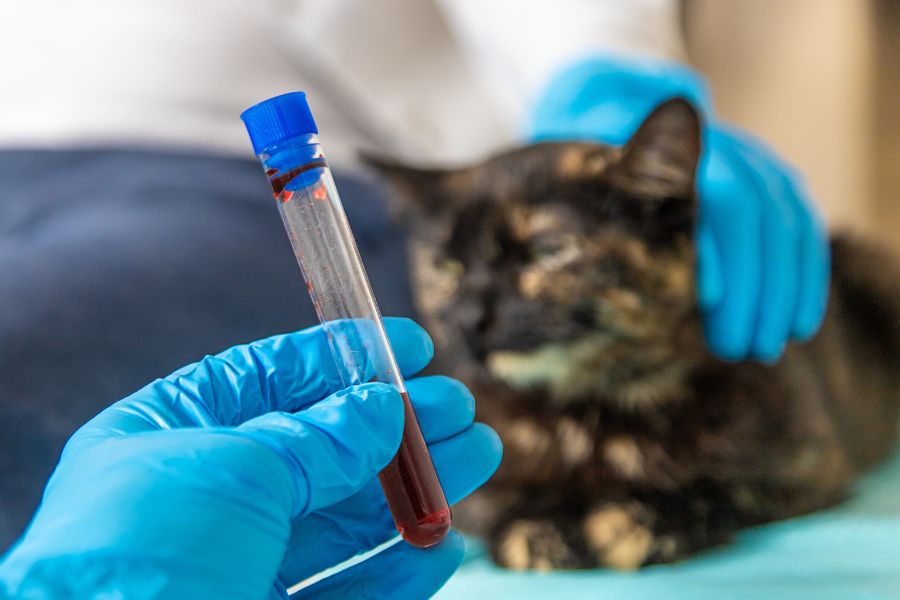
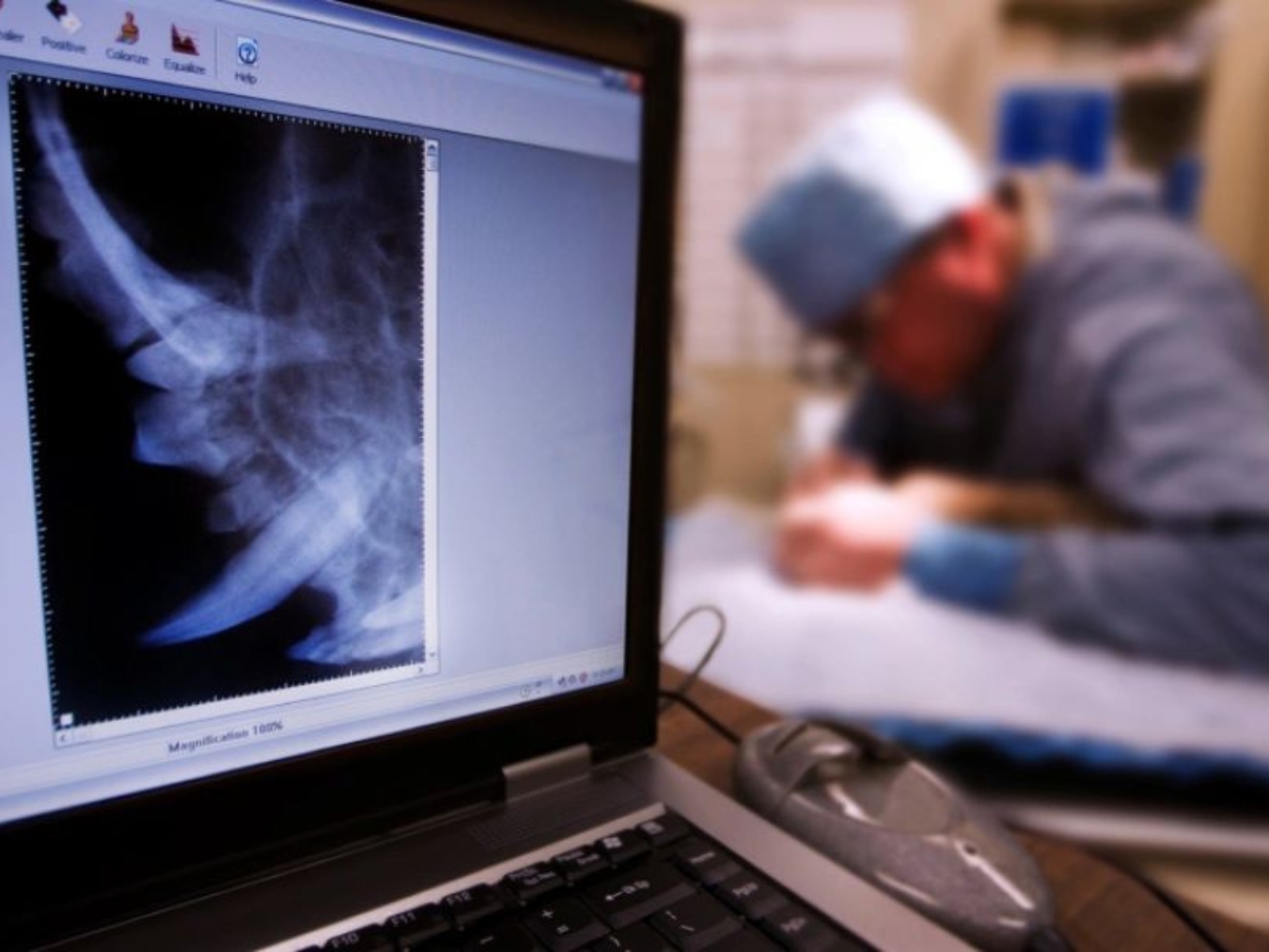
For example, blood tests can reveal changes in organ function that might not be obvious through a physical exam alone. Imaging techniques like X-rays, ultrasound, and CT scans can help detect tumors, fractures, or abnormalities in internal organs that may not be visible to the naked eye. Early detection allows for earlier treatment, which often results in more effective therapies, a better prognosis, and a higher quality of life for your pet.
2. Non-Invasive Testing Methods
Advanced diagnostics often involve non-invasive techniques, meaning your pet won’t need to undergo painful or intrusive procedures to get the answers they need. This is especially beneficial for pets who may already be stressed or anxious about visiting the vet. Non-invasive tests reduce the need for sedation and surgery, making the diagnostic process less stressful for both you and your pet.
For instance, ultrasound and X-ray imaging can provide clear, detailed images of your pet’s internal organs and tissues without the need for surgery. Similarly, blood tests and urine analysis can give veterinarians crucial information about your pet’s health without causing discomfort. Non-invasive testing not only improves your pet’s comfort but also ensures accurate, real-time results.
3. Accurate and Comprehensive Diagnosis
Advanced diagnostic tools provide veterinarians with a comprehensive understanding of your pet’s health. Unlike traditional methods, which may only reveal surface-level issues, these diagnostic techniques give an in-depth look at internal organs, bones, and systems. This allows your vet to identify the exact cause of your pet’s symptoms, rather than relying on guesswork or trial-and-error treatments.
For example, if your pet is exhibiting signs of pain or discomfort, imaging tools like CT scans or MRIs can help pinpoint the problem, whether it’s arthritis, a herniated disc, or an internal tumor. This level of precision ensures that your pet receives the correct diagnosis and the most effective treatment plan.
4. Monitoring Chronic Conditions
Chronic conditions such as diabetes, kidney disease, and heart disease require ongoing monitoring to manage symptoms and prevent complications. Advanced diagnostics allow your veterinarian to track the progression of these conditions over time, making it easier to adjust treatment plans as necessary.
For example, pets with diabetes may need regular blood glucose testing to ensure their insulin levels are balanced. Similarly, if your pet has kidney disease, routine blood tests can monitor kidney function and help guide dietary or medication adjustments. By tracking chronic conditions closely, advanced diagnostics can improve your pet’s long-term quality of life and prevent sudden health declines.
5. Genetic Testing and Early Risk Identification
Just like humans, pets can inherit genetic conditions from their parents. Some breeds are predisposed to specific health problems, such as hip dysplasia in German Shepherds or heart disease in Doberman Pinschers. Genetic testing allows veterinarians to identify these risks early, enabling you to take preventive measures before symptoms appear.
For instance, genetic testing can reveal a dog’s predisposition to certain cancers, heart conditions, or even hereditary eye diseases. Identifying these risks early allows you to be proactive about treatment, dietary changes, and regular monitoring, potentially preventing or minimizing the impact of these conditions.
6. Better Treatment Plans and Outcomes
Once a health condition is diagnosed accurately, your veterinarian can develop a more effective and tailored treatment plan. With the insights gained from advanced diagnostics, veterinarians can choose the best course of action, whether it’s medication, lifestyle changes, surgery, or a combination of treatments.
For example, if your pet is diagnosed with an infection, advanced diagnostics like cultures or sensitivity testing can identify the exact bacteria or virus involved, allowing your vet to prescribe the most effective antibiotic. Similarly, imaging results can guide surgical decisions by showing the exact location and size of a problem, such as a tumor or fractured bone, leading to more precise and effective surgery.
7. Peace of Mind for Pet Owners
As a pet owner, it’s natural to feel anxious when your pet is sick or not acting like themselves. Advanced diagnostics provide peace of mind by offering clear answers and a more accurate diagnosis. Knowing that your pet’s condition has been thoroughly investigated can reduce uncertainty and help you make the best decisions for their care.
Moreover, early detection of health issues means that treatment can begin sooner, which often results in a better outcome. Advanced diagnostics provide the clarity you need to ensure your pet is getting the best possible care.
Advanced diagnostics are crucial to ensuring that your pet stays healthy throughout their life. From early detection of health issues to accurate diagnoses, advanced tools allow veterinarians to offer the best possible care. At Antigua Veterinary Practice, we have the expertise in using cutting-edge diagnostic tools to provide your pet with accurate and timely results. If you’re looking for veterinary diagnostics in St. Augustine, FL, our experienced team is here to offer compassionate care and expert diagnostics to keep your pet healthy and happy.